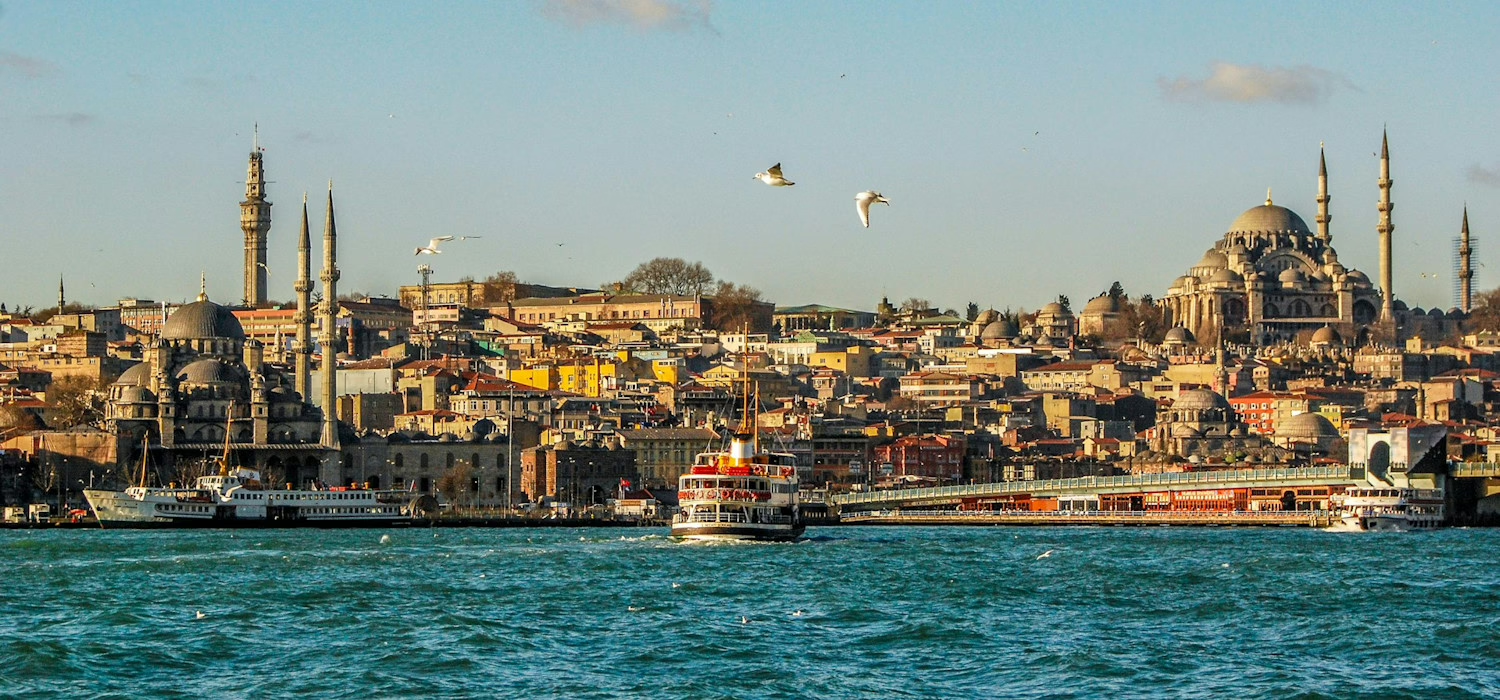
Professor Işıl Arıkan Saltık: Professor of Tourism Management, Muğla Sıtkı Koçman University
Growing up in a tourism destination, I cannot really remember a time before tourism. It has been part of everyday life. I enjoyed meeting new people, learning about their languages and cultures and sharing something of my own life with them.
◦ 29 min readEarly Life and Unexpected Directions
Before tourism, academia or international business entered your life, what was the young Işıl like, and what early experiences most shaped your curiosity about people and the wider world?
Growing up in a tourism destination, I cannot really remember a time before tourism. It has been part of everyday life. I enjoyed meeting new people, learning about their languages and cultures and sharing something of my own life with them.
But when I think about what first made me curious about to the wider world, folk dancing comes to mind. I took it up at a professional level during my high school years in the 1990s. Our team’s success gave us opportunities to compete nationally and international and I still remember how excited we were about those trips. Every competition was a chance to meet people, make friends and explore their culture.
The world championships were especially memorable. We met young people from all over the world and got to know one another through our music, dances and traditions. We did not always speak the same language, but we still found ways to connect through music and dance. Remembering those days still makes me smile. I think those experiences made me want to learn more about the people, places and cultures beyond my own.
You originally graduated in textile engineering. What attracted you to that discipline, and how did you imagine your professional future at the time?
What appealed to me about textile engineering was the combination of technical knowledge and creativity. At the time, I imagined building a career in production and international business, and that is where my working life began.
Looking back, I can see how much that education still shapes the way I think. I want to understand how things work, how the different parts fit together and what could be improved. That curiosity has stayed with me in tourism, where I find myself looking beyond the visitor experience to the people and processes that make it possible. Over time, I also became more aware of the significance of textiles and weaving in our cultural heritage. This gave me a sense of responsibility to preserve this heritage and pass it on to future generations.
Your early career took you into international textile merchandising, working across Türkiye and European markets. What did those years teach you about business, cultural differences and working with people from different backgrounds?
I worked in international businesses of very different sizes and structures, from factories to liaison offices, across Turkey and European markets. This gave me first-hand experience of different expectations, communication styles and ways of doing business. My time at Mayoral’s factory in Málaga, Spain was particularly valuable. Although I was there as an engineer, I learnt each stage of production by doing the work myself, alongside factory workers and supervisors. I learnt what it took to turn a design into a finished product and where the practical limits were. That is difficult to learn in a university classroom or from an office desk. I have always felt fortunate that, in my first year of work, I could see what the orders we recorded as quantities and financial figures meant for the people producing them.
My experience at H&M taught me something equally valuable about business ethics and sustainability in a large, multicultural organisation. I saw how codes of conduct extended beyond the company’s own employees to manufacturers, suppliers, packing and transport operations etc. This helped me understand sustainability through everyday decisions about working conditions and responsibilities across the supply chain. Working in that multicultural environment also showed me how clear organisational practices and shared ethical standards could help people from different backgrounds work productively and comfortably together.
Through these experiences, I have learned to listen carefully, ask questions and avoid assuming that everyone understands a situation on the same way, especially in multicultural teams. I also saw how management practices and organisational culture could create a more inclusive workplace and how strongly they could affect employees’ sense of belonging, performance, personal development and lives outside work.
What prompted the transition from international fashion and engineering into professional tour guiding? Was there a particular moment when you realised that tourism might become your future?
I won’t repeat that tourism has always been part of my life! But two things led me towards professional tour guiding. The first happened gradually. As my professional career progressed, work trips and holidays gave me more opportunities to experience tourism as a visitor. Having been used to the host’s perspective, I began to see things from the other side. Those experiences made me believe that tourism could be better, and that I could contribute to making it better. So that motivation grew over time; there was no single turning point.
The second reason was much more specific: Spanish. I stayed in touch with my colleagues and friends from Spain, and when they visited Turkey, I began joining them on their holidays, especially their cultural excursions. I realised how much more I enjoyed this than corporate office life. It was demanding, of course. Knowing the language was one thing; understanding the culture and being able to explain it was another. But it felt very meaningful. So, I took and passed the entrance exams, completed the tour guide training and obtained my professional licence. And there I was, out in the field in a new profession!
Discovering Tourism from the Inside
You worked as a professional guide in Spanish and English before entering academia. What did those years teach you about travellers that could never have been learned in a university classroom?
We know that people do not all come on holiday or join a tour with the same expectations. But when they are all in the same group, how do you make the experience enjoyable for everyone? That was something I learnt by working with travellers every day. The same place and itinerary can mean very different things to different people. Something that fascinates one person may mean little to another, so you have to listen and get to know the people in front of you. Even then, conversations and interactions can bring surprises. I learnt to read the group, respond to unexpected situations and adjust as we went along.
There was also a very practical side to this learning. A tour may look perfectly organised on paper, yet delivering it means working with many variables you cannot fully control. Guiding gave me invaluable experience of putting those plans into practice and making decisions as circumstances changed. It all starts with proper planning by the tour operator. But putting that plan into practice depends on the commitment of the whole team. Although guiding may seem like an independent role, I learnt that, especially on package tours, communication and cooperation among everyone involved are essential to keeping the tour as close to the plan as possible and making it enjoyable for everyone.
Tour guides often become the human connection between a visitor and an unfamiliar culture. How did that responsibility influence the way you understood tourism?
As a guide, you become very aware that how you describe a place can shape someone’s understanding of it. Visitors may remember your explanation long after the tour, so you have a responsibility to be accurate and thoughtful. For me, this also meant listening to local people and understanding their everyday lives alongside the history.
Of course, visitors bring their own ideas about a place, and sometimes those include prejudices. I encountered these both openly and through indirect comments during my tours. Prejudices can be among the hardest barriers to overcome, but I tried to keep communication open, guided by my belief that cultures form part of our shared heritage and that respect should apply to everyone.
Finding ways to explain, respond and encourage people to reconsider their assumptions taught me a great deal. It helped me understand tourism as an opportunity for people to get to know one another, and the responsibility we have in making that encounter welcoming and meaningful.
Looking back, how important has your own experience of actually delivering tourism services been in shaping the research and teaching that followed?
I can clearly say that my experience as a tourist guide is the main reason I became a tourism academic and researcher. The issues I encountered while guiding made me want to understand tourism more deeply. That experience also helped me look at a situation from several perspectives such as the visitor receiving the service, the person providing it and the destination itself.
That background has naturally influenced my teaching too. Tourism brings together so many disciplines and aspects of life, which gives us plenty to work with in the classroom. I ask students to prepare practical assignments using visual material and oral presentations. They usually choose their own topic within a broader theme and explore a current issue, sometimes by visiting a heritage site or a tourism business. Even when a course does not include a work placement, I want them to discover how things work in practice, understand what they find and consider how they could improve it.
I always ask my students to present their work to their peers. Explaining their ideas, answering questions and hearing different perspectives are all part of the learning. In addition to their academic development, I want them to gain confidence in expressing themselves and discussing their work. These skills are essential throughout their professional lives, particularly in tourism, where human interaction is an integral part of the work.
The Human Reality of Hospitality
Your doctoral research examined emotional labour, emotional exhaustion and job satisfaction among hospitality employees. What first drew you to that subject?
Many of my research questions grew out of my experience as a tourist guide, particularly what I saw of employees’ working conditions and the difficulties they faced. The physical effort was readily recognised, but the emotional work behind the service often went unnoticed. I experienced this myself and saw it among others working in tourism.
What stayed with me was how tiring it could be to manage the gap between what we felt and what we were expected to express. Long working hours mattered, of course, but so did the effort of managing our emotions throughout those hours. If we want tourism to be enjoyable and inclusive for everyone, we need to understand the people delivering it. That was what led me to study emotional labour in my doctorate.
There was another question I brought from guiding into the research. Serving visitors in different languages and from different cultural backgrounds did not always feel emotionally the same. We examined this too and found that employees’ levels of emotional labour differed according to the language in which they served guests. For me, exploring that connection between language, culture and emotional labour was a particularly valuable part of the study.
Tourism, Communities and Opportunity
Much of your work focuses on creating meaningful opportunities for young people, women and local communities. Why have these groups become so central to your professional purpose?
And tourism is frequently presented as an engine of economic development. What determines whether that development genuinely benefits the people who live in a destination?
Twenty years ago, when I first started working as a tour guide, there was a common assumption that tourism income depended on figures such as visitor numbers, overnight stays and tours sold. Guiding gave me the chance to see beyond those figures. Back-to-back tours throughout the summer could be intense and exhausting, both for employees and for the destinations we visited. Yet with less frequent tours, smaller groups and a slower pace, everyone’s satisfaction, performance and earnings could be higher, even when those numbers were lower.
My perspective reshaped when I realised that treating intensive seasonal tourism activity as a natural and unchangeable feature of the industry rested on a mistaken assumption. Tourism certainly makes economic, sociocultural and environmental contributions, but it also has negative impacts. As both a tourism professional and a resident of an international tourism destination, I can see that these benefits and burdens are not shared fairly. Having been educated in this field, I believe we have responsibilities towards communities and society, including using our knowledge and experience to support their wellbeing.
Alongside research, development and planning work aimed at balancing conservation and use within the tourism, I therefore began focusing on how the benefits of tourism could reach those who receive too small a share. Visitor numbers and revenue may rise while some people still struggle to find decent work, develop their businesses or have a say in decisions affecting their lives. That is why young people, women, disadvantaged groups and local communities have become central to my work.
I would suggest that anyone interested in this area first listen to what people want to do and understand the difficulties they face. We need to avoid making assumptions about people’s needs or relying on textbook solutions without checking the actual situation. Every society, community and destination has different needs and circumstances. Sometimes we need to support access to education, finance or business networks; sometimes we need to find ways for people’s knowledge to be recognised and their voices heard What I have learned through my collaboration with local communities is the importance of building the process together from the beginning, rather than defining their needs on their behalf. I think this is an important linsight to pass on.
I must also mention that these research projects and initiatives could never have been carried out alone. We have been able to do this because senior and early-career colleagues, postgraduate researchers and students have joined our academic team with the same commitment, and because we have built close working relationships with other stakeholders across the sector.
You have worked closely with regional business organisations and women entrepreneurs in Muğla. What have those relationships taught you about the ambitions and challenges facing women building businesses within tourism?
First, I think it is worth remembering that tourism creates direct and indirect employment and business opportunities in many other sectors within a destination. This reflects its multidisciplinary nature, broad range of services and strong multiplier effect. It is therefore difficult to think of a landscaping business, a construction entrepreneur or a furniture manufacturer as separate from tourism. Our work with businesses and entrepreneurs in Muğla should also be understood within this wider network. We have co-developed regional and international projects covering a range of topics, from developing employees’ core and soft skills and building institutional capacity to regional development and international trade.
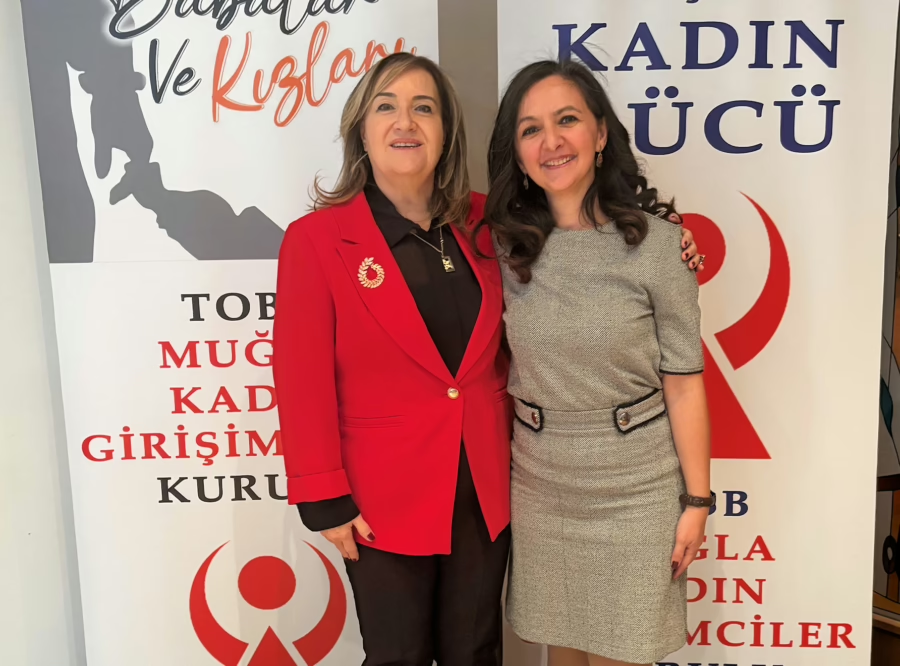
During my time as an academic adviser to Muğla’s chambers and commodity exchange, I had the opportunity to work closely with women entrepreneurs. This was a very valuable experience for me. Their practical knowledge, breadth of vision and commitment to supporting women just starting out in business were admirable. The Chair of the Muğla Women Entrepreneurs Council also chaired the Aegean Regional Women Entrepreneurs Council, which gave us important opportunities to plan activities on a broader scale and extend their reach.
Our relationships with the business community and entrepreneurs in Muğla taught me that understanding their entrepreneurial journeys means looking beyond their business ideas to the circumstances in which they are trying to put them into practice. Through the experiences they shared, we also learnt a great deal from their determination to keep going with resilience and belief in what they could achieve despite the many obstacles they faced. I particularly want to acknowledge this here; perhaps their experiences can offer some encouragement to a woman entrepreneur going through a difficult period right now.
Among our most successful initiatives, I would mention the “Women Hand in Tourism” workshop. Alongside practical sessions that directly supported women entrepreneurs in developing their capabilities, the event helped build a network through which they could support one another’s businesses. For this work to develop, we needed to connect that solidarity among women entrepreneurs with other stakeholders across the sector. Building close working relationships with accommodation, travel and food and beverage businesses, local authorities, NGOs and professional organisations became a guiding principle for us. We sought to bring together everyone with a direct or indirect role in tourism development and encourage their participation.
It is particularly rewarding to see further activities taking place in other districts across Muğla, following the initiative launched around two years ago. That continuity is tangible evidence that the workshop has grown beyond a one-off event into an ongoing effort. For me, this is an important part of supporting women’s entrepreneurship: ensuring that the learning, connections and mutual support continue after the event has ended.
Rural communities can possess extraordinary cultural and natural assets while struggling to benefit from tourism. How can destinations create opportunities without compromising the very character that makes those communities special?
Your question points to a real concern that, in some places, the “rural” label has helped turn local culture into a product and made distinctive communities increasingly alike. When we try to reshape every place around the same expectations, we risk losing its distinctiveness. We need to be more proactive in ensuring thatrural tourism, while appearing to offer an alternative to coastal tourism, does not turn rural areas into yet another territory for mass tourism to take over.
The approach does not have to be complicated. Protecting local production, cultural heritage and the natural environment should be part of planning from the beginning. Supporting small businesses, connecting local producers with tourism enterprises and managing visitor numbers according to local conditions are all important. It is worth remembering that this distinctiveness is also what visitors come to experience.
But this does not mean that visitors’ expectations should come before those of local people. On the contrary, we first need to understand and respect what local people want both now and in the future. A place that looks attractive as a tourism destination from the outside is someone’s home, livelihood and everyday surroundings. People should be able to decide what they want to share and what they want to keep for themselves. If we imagine a rural destination as a painting in the making, the people portrayed in it should also have the right to decide what is done, how, to what extent, when and for whom. This is why I believe destination management must involve civil society organisations and local representatives alongside businesses and public authorities. To support this approach, we need to raise awareness among tourists and travellers interested in rural tourism and help shape their expectations around responsible tourism. Only then can rural tourism be sustainable in economic, sociocultural and environmental terms.
How do you distinguish genuinely sustainable and regenerative tourism from initiatives that are primarily designed to satisfy corporate commitments or improve a destination’s image?
This overlaps with what we have just discussed about rural tourism. I believe we can make this distinction quite clearly if we are clear about our aims and the means we use to achieve them. For me, tourism is a valuable means of supporting a destination’s development and conservation, considering its local communities first, alongside its history, culture, natural environment and all its stakeholders. Cross-cultural understanding, friendship between peoples and universal peace are also aims to which tourism can contribute. This is the basis on which I separate the wheat from the chaff.
When the means become the ends, however, the values and stakeholders we expect tourism to benefit can be sacrificed, deliberately or unwittingly, for the gains of others. In such circumstances, economic, cultural and environmental damage, even decline, becomes inevitable in the medium and long term. Unfortunately, tourism itself is held responsible, while the decisions that led to these outcomes and the responsibilities of those who made them are not being addressed.
Whether we are talking about destination management or business management, we need to remember that obtaining particular labels and strengthening an image are tools that can support sustainability. This distinction also matters in the research we have conducted, and continue to conduct, in hospitality businesses. Mandatory certification can help businesses fulfil their environmental obligations. But without a change in mindset and a shift towards voluntary pro-environmental behaviour, it is challenging to develop an approach to ethical responsibilities or voluntary initiatives that goes beyond legal requirements.
On paper, figures and lengthy reports may describe a business or destination as highly sustainable, while everyday practice tells a different story. Of course, waste management, water and energy use, and recycling are important, but they provide a foundation. Employees’ working conditions, local supply relationships, community participation in decision-making and activities that follow circular economy principles also matter. Practices that address all dimensions of sustainability can provide a clear indication of a business or destination’s commitment to sustainable tourism. Besides, we also need to look at continuity. What remains after an event, campaign or project ends? Do the relationships, skills and improvements continue? I think the answers to these questions tell us much more than a well-written promotional statement.
When discussing the concept of regenerative tourism, I think we need to choose our words more carefully. We are moving beyond balancing conservation and use, increasing positive impacts and reducing negative ones. We are talking about an approach that sees the destination as a living system and uses tourism to support its capacity to renew itself. We therefore need clear answers about how tourism has contributed to restoring the natural environment, sustaining cultural values and supporting social and economic inclusion. Above all, we should be able to explain how it has strengthened local people’s ability to shape their own future. Who defines and evaluates that contribution also matters; local people’s views should be central. I think we will be discussing this for some time yet.
Education, Leadership and the Next Generation
Your work at the University of Greenwich creates opportunities for international academic collaboration. How important is it that research crosses national and institutional boundaries and ultimately reaches the people who can put it into practice?
It has been a pleasure to be a visiting scholar at the University of Greenwich since 2025. I believe that international collaboration allows researchers from different countries and disciplines to explore the same subject from different perspectives. We see how things we take for granted, or are trying to understand, can carry different meanings in different contexts. Discussing these directly with colleagues helps us reconsider our questions and approaches and broaden our understanding.
I have experienced this first-hand through my research with Professor Jin Chan. I particularly value the time and thought Jin brings to our discussions, and the opportunities he has helped create to exchange ideas with colleagues and partners. During our research on circular entrepreneurship and perceptions of sustainable performance in hospitality businesses, we have had opportunities to discuss conceptual and methodological questions with researchers from different disciplines across the university’s research centres. The openness to these conversations at Greenwich has been especially valuable. It has given me space to develop the research while bringing my professional and academic experience from Turkey into the discussion. Sharing the work through research presentations, seminars, guest lecturing and mentorship has also given me opportunities to contribute to academic discussions and students’ learning at Greenwich. Being welcomed into this supportive academic environment, where colleagues, students and partners can learn from one another, has been a rewarding learning experience for me too.
What began as a collaboration between two researchers and two institutions created opportunities, within its first year, for more than twenty institutions and dozens of researchers to get to know one another and develop new research ideas and collaborations. The scope and intensity of our work helped make this possible. I also think it is important that these networks include the people who can use the knowledge we produce. Research needs to reach beyond national and institutional boundaries, but it also needs to reach those who can put its findings into practice. I have been glad to find this interest in connecting research with practice shared by Jin and the colleagues I have worked with at Greenwich. That shared approach has helped us bring academic and non-academic partners into the same conversations. In these collaborations, we focus on learning from one another and developing together, taking cultural and contextual differences into account, rather than preparing a single prescription for everyone. We have begun valuable joint work towards building global networks and alliances around this approach. Laying the foundations for a long-term process involving many partners is itself an important achievement. I believe these promising beginnings will grow stronger and reach further through more extensive research and projects.
Looking Forward
Looking ahead, what changes would you most like to see in the way tourism creates meaningful employment and opportunities for the communities that sustain it?
People are constantly expected to adapt to the needs of the tourism industry. I would like us to talk more about how the industry can adapt to people’s lives too. For example, if we create a job but its working hours make it inaccessible to a woman with childcare responsibilities, have we really created an opportunity for her? Or if a young person has to look for work again every season, what future can they see for themselves in tourism?
That is why I would like employment practices in tourism to become more inclusive and equitable. Recruiting the right person for the job, providing equal pay for equal work and valuing people are familiar principles of human resource management. Yet we still struggle to see them consistently applied in tourism. There are polished statements about valuing people and reports highlighting the employment of women and disabled people. But when we look at the jobs people hold, their working conditions and their opportunities to progress, a different picture can emerge.
A high proportion of women in the workforce does not mean they are equally represented in management. Their concentration in areas traditionally regarded as “women’s work”, such as housekeeping, cleaning and kitchen work, means that access to management positions needs particular attention. Transparent recruitment and promotion criteria, fair access to professional development and working arrangements that accommodate different needs are important. We should understand inclusion as the opportunity to stay and progress in work, as well as the opportunity to enter it.
As an academic, I also believe we would benefit from measures that protect and strengthen the professional value of tourism qualifications. I am not suggesting closing the industry to people educated in other fields. But I would like tourism graduates to receive priority in recruitment and promotion, so that their education has a clear value in their careers. If businesses keep looking for people with existing industry experience without helping graduates gain that experience, they may eventually find it harder to recruit the qualified employees they need. That has implications for service quality, business performance and the future of the sector. We saw this vulnerability during the pandemic. Prolonged closures led many employees to move into other sectors, and some did not return to tourism. Labour shortages and skills gaps deepened. That experience showed us the importance of creating conditions that retain skilled employees, alongside attracting them to the industry.
Of course, we in academia need to examine our own responsibilities too. We should review the quality of tourism education and develop programmes that respond to the industry’s current and future needs. If we want our graduates to enter the sector with confidence in their qualifications, the knowledge and skills behind those qualifications must be strong. Alongside collaboration between education and industry, I would welcome joint programme development involving educational institutions in countries that send tourists and those that receive them. This could help students better understand both the settings in which services are delivered and those in which visitors’ expectations are formed.
Ultimately, I would like to see tourism education and employment support each other more effectively, with greater consideration for people’s different circumstances. I believe this would create a stronger future for employees, businesses and the local communities that sustain tourism.
When you think about your own legacy, what would you most like your students, colleagues and the communities you have worked with to remember about Professor Işıl Arıkan Saltık?
I don’t think I have ever really thought about it! What we would like to hear about ourselves may not always match the impression we leave on others. But I would be very happy if, years later, a student remembered something we discussed in class when making a decision, a colleague asked for my thoughts on a new study or wanted to work together again, or a community continued something we had started and felt able to take it further.
I would also like the people we work with to feel that their knowledge and experience have a real place in our work. We need to learn from one another to do good research and work well together. I have learnt so much from my students, colleagues and the people I have met in the field. I would like to take this opportunity to thank everyone I have met on my journey through tourism. This includes those who have worked alongside me, shared ideas and dreams, and kept going with me even when those dreams took longer to reach than we had hoped.
Above all, I would like to be remembered as someone who brought friendship, professionalism and trust to working together. If I have been able to support the people I have worked with and contribute to our shared efforts, that means a great deal to me. Years from now, I would be happy simply to hear someone say, “I’m glad our paths crossed.”
Quickfire
Istanbul or Fethiye?
This may surprise everyone, including my family, but Istanbul! Even during my busiest working years, it gave me a sense of home. With the wisdom of its long history, it taught me so much and broadened my horizons. For me, it is a city of creativity and freedom. Fethiye has a very different place in my heart: my roots, my hometown, life close to nature and that particular Mediterranean mix of chaos and tranquillity.
Mediterranean sunrise or Aegean sunset?
A Mediterranean sunset J Watching the sun go down from Çalış Beach is a pleasure all of its own.
A traditional Turkish gulet or an adventurous mountain escape?
A blue voyage aboard a traditional Turkish gulet. What makes it unforgettable is the turquoise created where the green of the mountains meets its reflection in the sea.
A destination that surprised you more than you expected?
Stonehenge. I admit I went with a slight prejudice: having seen Göbeklitepe, how impressive could it be? But as soon as it came into view, even from a distance, its atmosphere drew me in. I wanted to stay for hours. It gave me a sense of peace and stillness that is difficult to describe.
The most memorable encounter you had during your years as a professional tour guide?
I once guided Ronaldo’s family around Ephesus and the House of the Virgin Mary. When I accepted the tour, I had no idea who they were! Even seeing journalists at the entrance to Ephesus did not make me realise. I carried on chatting and joking with my group until a crowd gathered around us in front of the Library of Celsus. One member of the group teased me afterwards: “And I thought you were just being very professional and keeping your cool!” In fact, I simply had not recognised them. It still makes me smile.
One place in Türkiye that international travellers should discover beyond the familiar tourist trail?
Üzümlü village, near Fethiye. Explore ancient Kadyanda and the area’s Lycian heritage, then spend time in the village. Meet the women at Dastarhane, expeince the weaving with them, enjoy their cooking, try the morel mushrooms and local wine, and leave time for conversation. For me, that makes an unforgettable local experience.
Spanish tapas or a traditional Turkish mezze?
This may be the hardest question on the list! Traditional Turkish mezze. I may need to take my Spanish friends out for tapas before they read this answer.
Which country would you most like to spend a year researching, teaching and exploring?
Definitely Spain. I had the opportunity to live in Andalusia while working as an engineer. Afterwards, I returned several times for work, language study and projects, although each visit lasted only a few weeks. With the knowledge and experience I have today, I would love to spend a year there exploring cultural heritage, creativity, local entrepreneurship and inclusive tourism in greater depth.
Complete the sentence: “The greatest gift tourism can give a community is…”
…the opportunity to shape its own future by creating economic and socio-cultural opportunities that may otherwise be out of reach, while helping a community sustain its cultural life and care for its environment.
And finally, if you could take your students anywhere in the world for one extraordinary lesson about tourism, where would you go, and what would you want them to discover?
Rather than choosing one destination, I would like to visit each student’s hometown with them at least once. Inspired by the principle of “Peace at home, peace in the world”, I would want them to begin by understanding and appreciating where they come from and listening to the people who live there. Then, as future tourism professionals, I would love them to explore how tourism can be made more inclusive and can help regenerate their hometown.