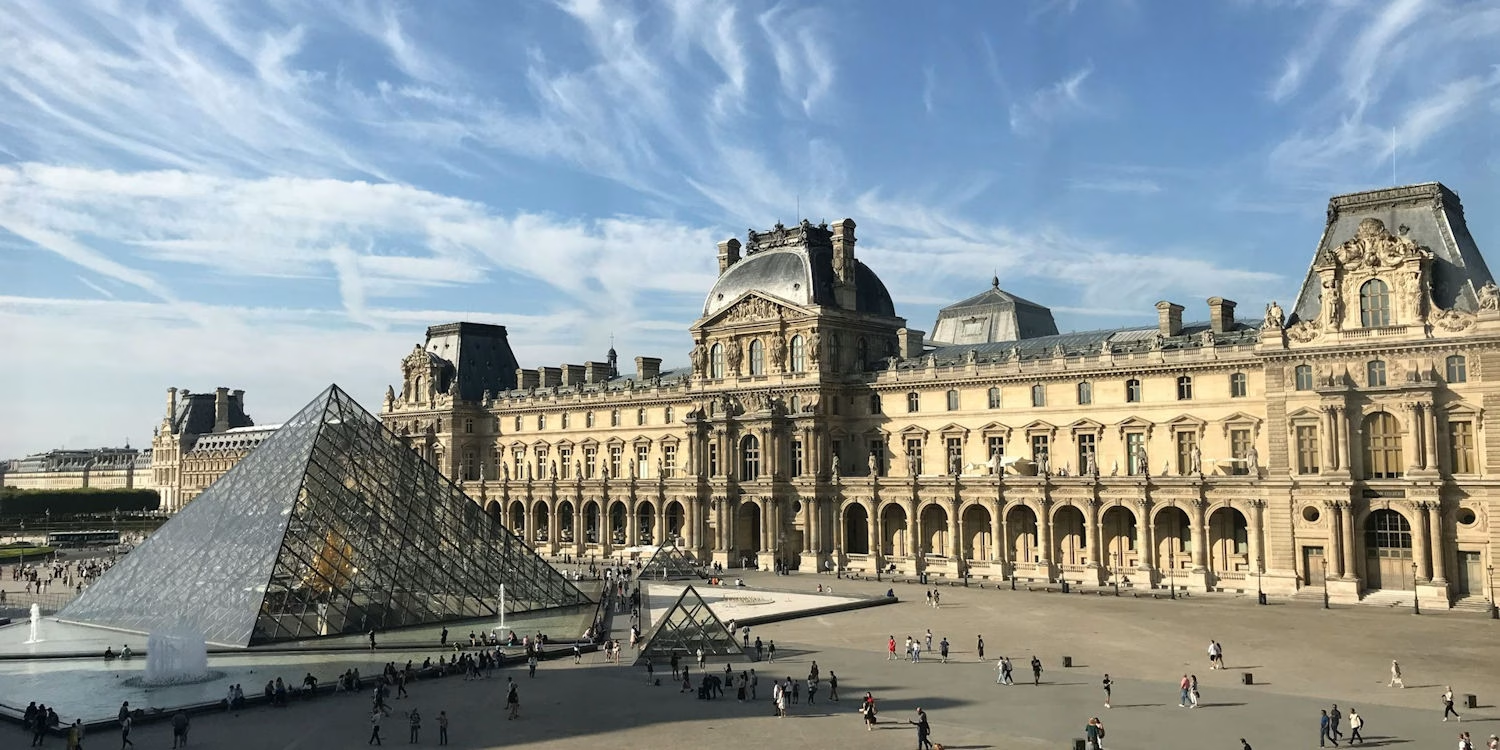
Destination Guide to France
Best for culture-rich cities, refined cuisine, accessible museums, elegant rail journeys and a strong national commitment to inclusive public spaces.
◦ 4 min readBest for culture-rich cities, refined cuisine, accessible museums, elegant rail journeys and a strong national commitment to inclusive public spaces.
Getting There
France is well connected globally, with major gateways including Paris Charles de Gaulle Airport, Paris Orly Airport, Nice Côte d’Azur Airport and Lyon–Saint-Exupéry Airport. Airports offer step-free access, pre-bookable mobility assistance, accessible washrooms and priority security lanes.
High-speed rail links also make France easily reachable from neighbouring European countries.
Travellers using mobility aids should provide dimensions and battery details (if powered) in advance to ensure seamless assistance.
Getting Around
France’s transport infrastructure is among the most developed in Europe, particularly for rail-based travel.
Rail
The SNCF operates TGV and intercity trains with wheelchair spaces, accessible toilets and station assistance services when booked ahead.
Urban transport
Major cities offer accessible metros, trams and buses, though lift coverage varies by station age.
Road travel
Private vehicles and WAVs are widely available through specialist providers, ideal for countryside, wine regions and coastal touring.
Domestic flights
Useful for longer distances (e.g., Paris ↔ South of France), with reliable assistance services.
Boats
River cruises on the Seine, Rhône and Garonne increasingly offer ramped boarding and accessible cabins.
Destination Highlights
Themes
Arts, Culture & Heritage: World-class museums, galleries and historic landmarks with strong accessibility standards.
Scenic Regions & Slow Travel: Vineyards, coastlines and countryside best explored via rail or private car with curated stops.
Urban Elegance: Walkable (and rollable) cities with café culture, riverside promenades and refined shopping.
Regional Snapshot
Paris – Exceptional museum access, step-free riverbanks, accessible public transport and luxury hotels; some historic streets require planning.
Lyon – Gastronomy capital with accessible old town routes and riverside paths.
Nice – Level seaside promenades, accessible trams and Mediterranean resort living.
Provence – Lavender landscapes, vineyards and hill towns best enjoyed via private touring and accessible estates.
Loire Valley – Châteaux with partial access, accessible gardens and elegant slow travel by car or rail.
Bordeaux – Accessible wine museums, riverfronts and vineyard experiences.
French Alps – Cable cars, scenic rail and adaptive skiing resorts offering inclusive mountain access.
Cuisine & Culinary Exploration
French cuisine is foundational to global gastronomy and well suited to inclusive, seated dining.
Signature experiences: Michelin-starred dining, regional bistros, patisserie culture, cheese and wine tastings.
Inclusive dining: Many restaurants provide step-free access, accessible restrooms and flexible seating; fine dining often excels at accommodating dietary needs.
Curated tastings: Vineyard lunches, cheese affinage visits, cooking classes adapted for seated participation and market tastings in accessible halls.
Dietary needs: Allergies, vegetarian and vegan preferences are increasingly well catered for, especially in cities.
Luxury Perspective
French luxury blends heritage with contemporary comfort. Expect:
- Adapted suites in five-star hotels with roll-in showers, lifts and attentive concierge support.
- Luxury rail journeys connecting regions without physical strain.
- Wine estates and country hotels offering level access, garden terraces and private tastings.
- Wellness retreats in spa towns and alpine resorts with accessible thermal facilities.
Cultural hosting: Private museum openings, guided architectural tours and salon-style culinary experiences tailored for comfort.
Attitudes
- France has a strong legal and cultural framework supporting disability rights and equality.
- In hospitality and cultural institutions, staff are generally professional and respectful, though service may feel more formal than in some destinations.
- LGBTQ+ travellers benefit from long-standing legal protections and inclusive attitudes, particularly in cities and resort regions.
The Rules
- French law mandates accessibility across public buildings, transport and cultural venues. Museums, galleries, theatres and major attractions typically provide step-free entry, lifts and accessible restrooms.
- Historic sites may involve partial access, but alternative entrances, ramps or viewing routes are often available.
- Assistance dogs are widely recognised.
Resources & Support
- France offers extensive accessibility information through national tourism services, city visitor bureaux and transport operators.
- Specialist travel companies arrange Wheelchair Accessible Vehicles, equipment hire and personal assistance.
- Museums and cultural institutions frequently offer wheelchair loans, audio guides and quiet visiting hours.
Final Tips
- Pre-book rail assistance and adapted hotel rooms early, especially in peak seasons
- Use high-speed rail to minimise transfers and fatigue.
- Historic centres may require route planning — concierge teams are invaluable.
- Embrace slower pacing: cafés, galleries and river walks offer rich experiences without physical strain.
- Clear communication is appreciated; accessibility is taken seriously, but advance notice improves delivery.
Read more about: Paris
Page header image by Ahmad on Unsplash
Photo by Kreshen on Unsplash