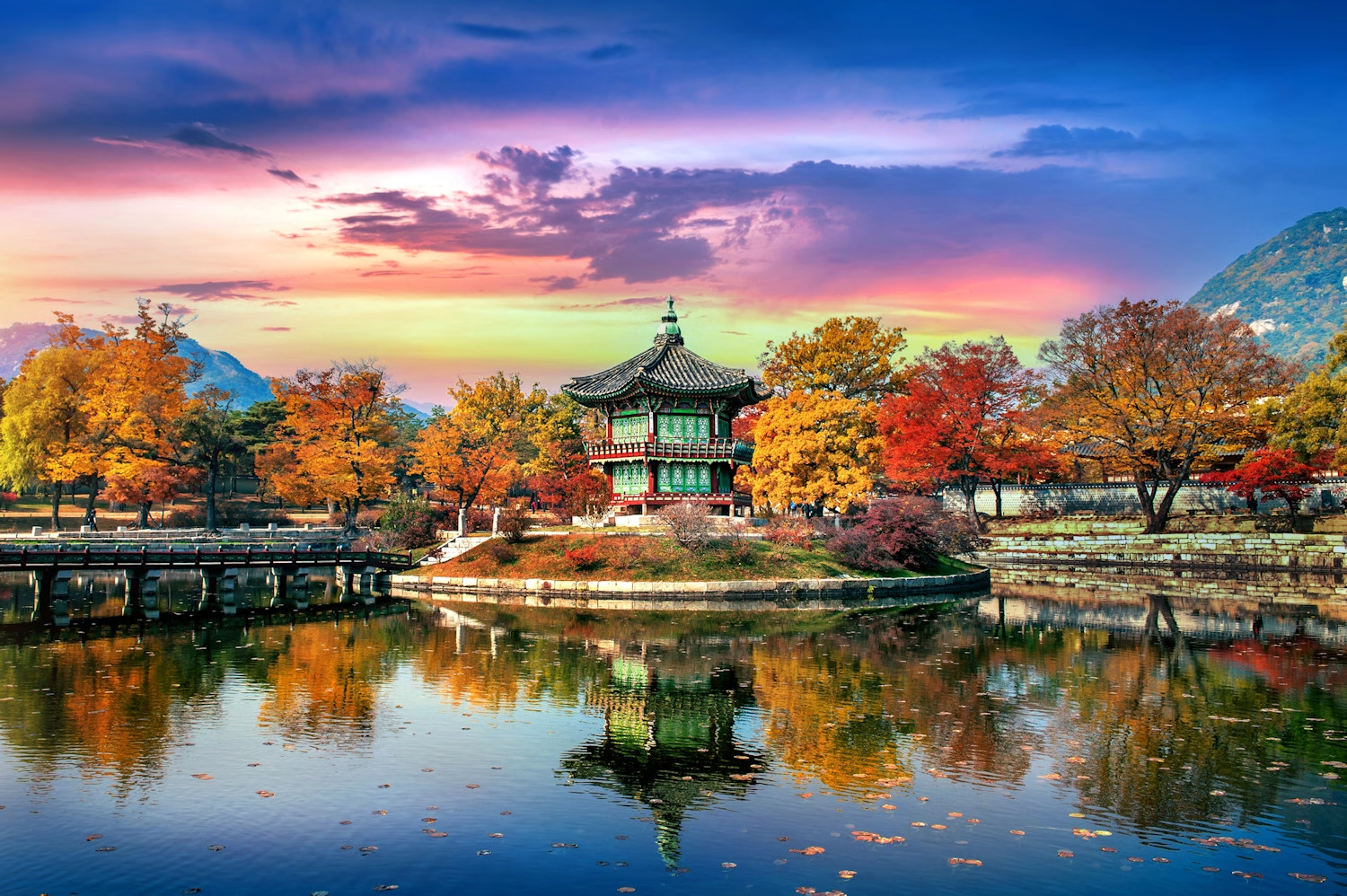
South Korea
Destination Guide to South Korea
Dynamic cities, cutting-edge design, thoughtful accessibility, serene temples and beautifully curated food culture.
◦ 4 min read
Destination Guide to South Korea
Dynamic cities, cutting-edge design, thoughtful accessibility, serene temples and beautifully curated food culture.
Getting There
- Most visitors arrive through Seoul Incheon (ICN) — one of Asia’s best-designed airports, offering step-free routing, accessible restrooms, clear signage, mobility assistance and efficient customs/immigration.
- Gimpo (GMP) connects Seoul with domestic routes and Japan.
- Busan (PUS) and Jeju (CJU) also serve regional and long-haul arrivals.
- Provide airlines with mobility-aid dimensions and battery type (if powered) when booking.
Getting Around
South Korea offers reliable, modern infrastructure across major cities and intercity links.
- KTX high-speed rail: Fully lift-served stations, accessible toilets, wheelchair spaces and priority boarding. Ideal for Seoul–Busan–Daegu–Gwangju routes.
- Urban transport: Seoul, Busan and other metros have widespread elevator access, tactile paving and wide gates; buses are increasingly low-floor with ramps.
- Private transport: WAVs available in Seoul and Busan via specialist operators; pre-book for airport transfers and day touring.
- Walking/rolling: Pavements in modern districts are smooth with consistent kerb cuts; historic alleys may be narrow or sloped.
- Boats: Large ferries to Jeju and river cruises generally provide ramp-assisted boarding; smaller boats vary by operator.
Destination Highlights
Themes
- Culture & City Energy: Seoul and Busan offer accessible museums, galleries, riverside promenades, markets and performance venues supported by excellent public transport.
- Temples & Traditions: Courtyards, scenic terraces and cultural workshops provide ways to experience Korea’s spiritual heritage without steep climbs.
- Nature & Coast: National parks and coastal routes feature drive-up viewpoints, boardwalks and gentle scenic loops.
Regional Snapshot
- Seoul – Palace complexes with partial access via courtyards and verandas; Insadong galleries; riverfront paths; accessible markets and museums; lift-served observation towers.
- Busan – Beaches with level promenades, cable-car scenic rides (access varies), coastal viewpoints and seafood dining on step-free terraces.
- Gyeongju – Ancient capital with tomb mounds, museums and park-style heritage zones ideal for vehicle-assisted circuits and short rolling routes.
- Jeju Island – Volcanic landscapes, waterfalls and coastlines; accessibility varies, but resorts, promenades, gardens and selected lookout points work well with private drivers.
- Gangwon (incl. Pyeongchang) – Mountain scenery, parks with boardwalk segments and curated viewings at ski resorts and lakes.
Cuisine & Culinary Exploration
Korean cuisine balances bold flavours with healthful, delicately prepared dishes — ideal for travellers who appreciate structured, seated dining.
- Signature dishes: bibimbap, bulgogi, kalguksu noodles, Korean barbecue, haemul pajeon (seafood pancake), banchan (side dishes), hotpot, temple cuisine and contemporary tasting menus.
- Inclusive dining: Upscale Korean restaurants, BBQ venues and hotel dining rooms are often step-free with private or semi-private rooms. Companion seating and wide aisles help with mobility or sensory comfort.
- Curated tastings: Kimchi workshops adapted for seated participation, street food tastings using accessible segments of markets, and tea ceremonies in level-access cultural spaces.
- Dietary needs: Kitchens adapt spice levels on request; vegetarian and vegan options are growing, especially in Seoul’s contemporary dining scene.
Luxury Perspective
Korean luxury blends sleek design with deep cultural grounding. Expect:
- Adapted rooms/suites with roll-in showers, grab bars and thoughtful layout.
- Spa & wellness: Korean sauna culture (select facilities with private, accessible areas), aromatherapy, beauty-led therapies and modern wellness floors.
- Private touring: Palace and design-district circuits, car-assisted lookout points, seasonal gardens and artisan workshops.
- Coastal & island hotels: Zero-entry pools (select), buggy transport, deck dining and ocean-view suites with level access.
- Cultural hosting: Calligraphy, ceramics, temple food tastings and craft workshops tailored for seated comfort.
Attitudes
- Korean hospitality is respectful, warm and efficient.
- Staff are accustomed to supporting accessibility needs, particularly in hotels, museums and malls.
- English is widely spoken in tourism settings.
- LGBTQ+ travellers experience discreet, professional hospitality in cities; public displays of affection are rare for all couples, so a gentle approach feels culturally natural.
The Rules
- Accessibility is strong in airports, metros, malls, museums and new attractions.
- Heritage temples, hanok villages and older districts may include steps or slopes; however, many offer partial access through courtyard viewing, verandas and alternative entrances.
- Modest attire is appreciated at temples; shoes are removed in certain interiors.
- Follow signage for quiet zones, photography and cultural etiquette.
Resources & Support
- Accessibility information is widely available from Korean tourism boards, metro operators and major attractions.
- Specialist providers offer WAVs, mobility equipment hire, carers, tactile resources and sensory-friendly guidance.
- Museums and cultural sites often provide wheelchair loans, quiet zones and companion seating.
Final Tips
- Combine Seoul + Busan/Jeju for balanced culture and coast.
- Pre-book adapted rooms and WAVs, especially during cherry blossom, autumn foliage and festival seasons.
- Expect slopes and steps in hanok and temple districts; use curated routes focusing on scenic perimeters.
- Carry essential medication and translations for allergies.
- Early morning visits offer the calmest experience in palace complexes and markets.
- Communicate needs clearly — Korean staff respond quickly and respectfully.