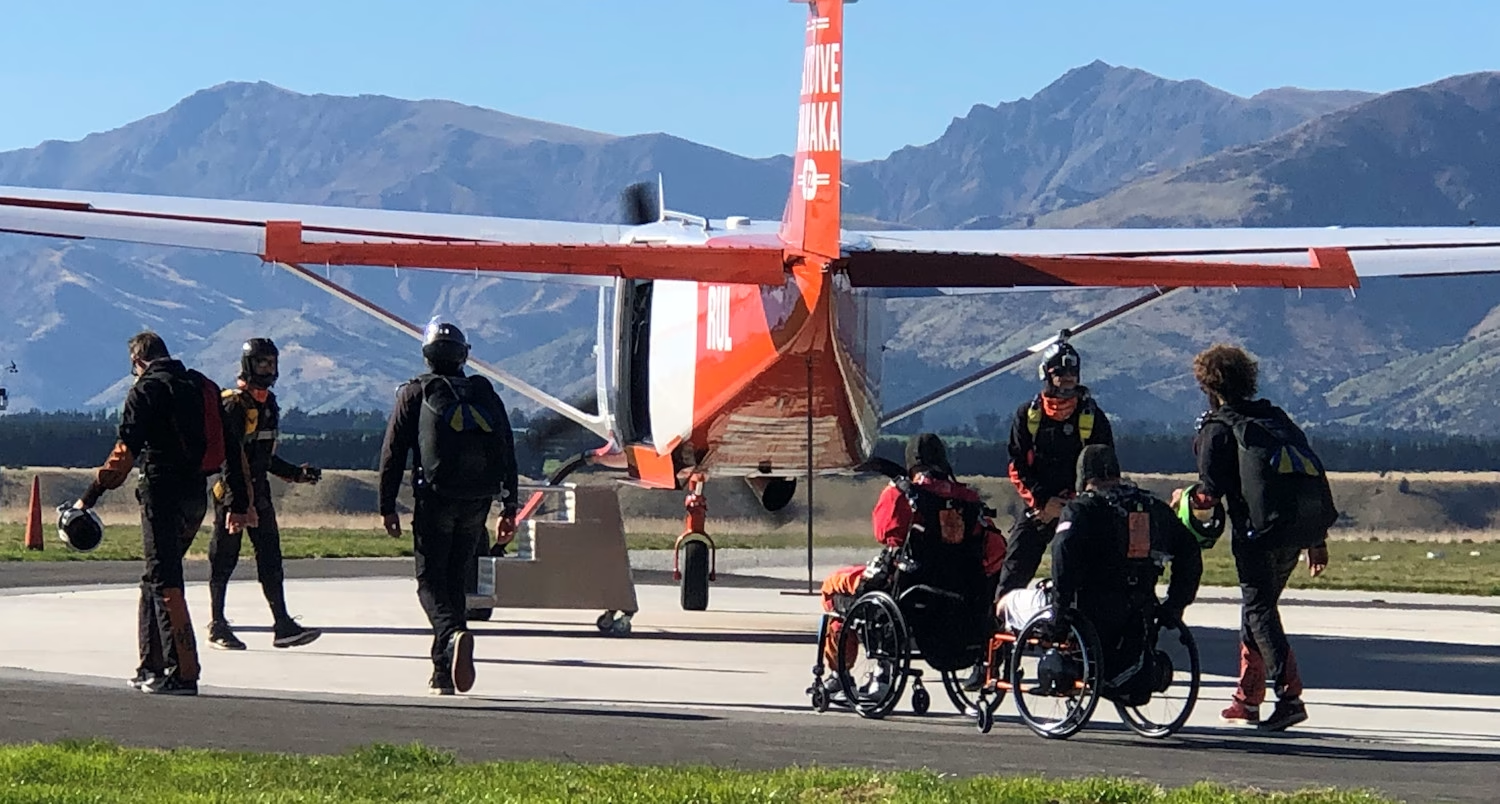
Sandie Grant: Owner, Ability Adventures NZ
I design itineraries through a functional and human lens - considering physical, sensory, and cognitive needs together rather than in isolation.
◦ 9 min readOrigins & Calling
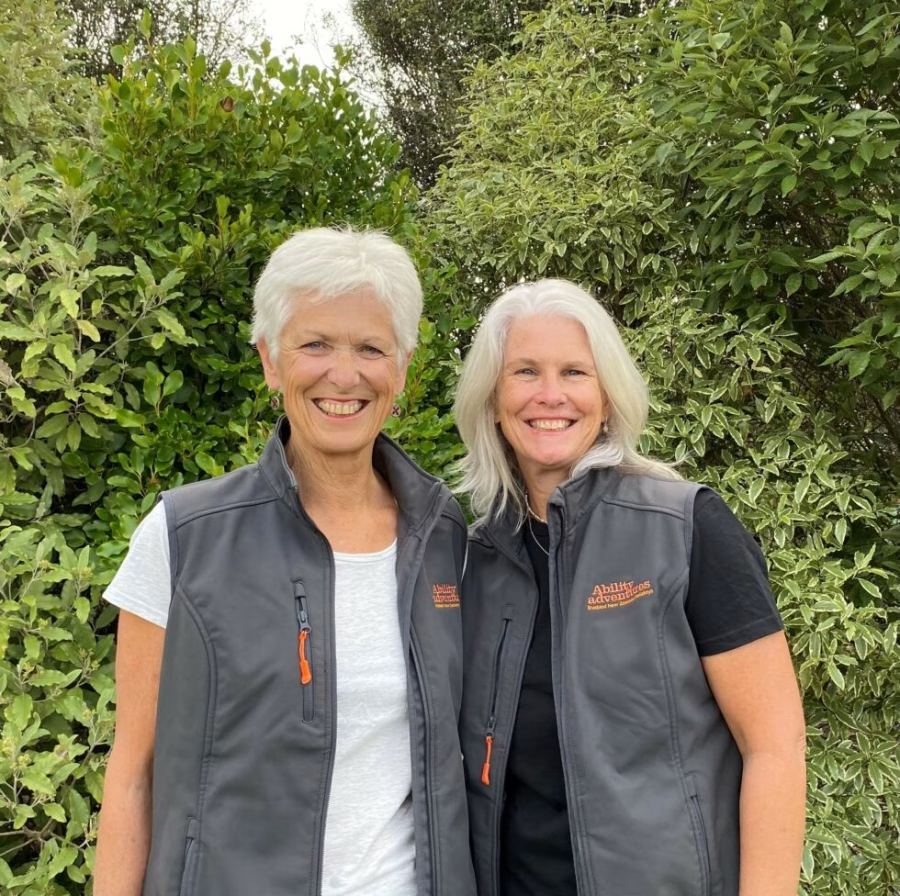
You began your journey in tourism at just 19, long before accessibility was widely discussed. What first drew you to guiding, and what stayed with you from those early experiences?
I began guiding at 19 with special interest nature tours – birding, flora and fauna – and later worked with American university students spending six weeks travelling around New Zealand. It involved multi-day touring, driving, coordinating logistics, and creating experiences that were both educational and enjoyable.
What drew me in was helping people truly see New Zealand – noticing the detail in a forest, understanding our wildlife, experiencing the landscape rather than simply passing through it. Those early years taught me that meaningful travel is about connection — to place, to people, and to story.
How did your clinical career as an Occupational Therapist reshape how you see travel, freedom, and access?
My clinical career, particularly in wheelchair and seating therapy, gave me a deep understanding of how people interact with environments. I’ve spent decades helping people navigate daily life more comfortably and confidently.
Travel is an extension of that. Freedom isn’t abstract – it’s practical. It’s about whether someone can comfortably access a boat to see whales, enter accommodation with ease, manage fatigue across a day of sightseeing, or move through a cultural experience feeling relaxed.
My clinical background means I instinctively think ahead — about pacing, surfaces, seating, transport, sensory and cognitive needs, and rest opportunities — so guests can focus on the experience itself.
Was there a defining moment when you realised accessible travel wasn’t just a service gap, but a calling?
Yes, a specific trip stands out.
I guided a bespoke 10-day South Island holiday for a couple where one partner had MS and used a travel mobility scooter. We explored the lower South Island together, staying in accessible accommodation and visiting some extraordinary places.
It felt completely natural. I loved sharing our country – the changing landscapes, the wildlife, the sense of space – and quietly making adjustments so nothing felt difficult or awkward. It wasn’t about highlighting difference; it was about ensuring they didn’t miss out.
After that trip, I knew this was where I was meant to focus. It combined my love of New Zealand with my clinical understanding of diverse needs – but in a setting centred around curiosity, enjoyment, and shared experience.
Where Clinical Expertise Meets Exploration
How does your clinical background fundamentally change the way itineraries are designed at Ability Adventures?
I design itineraries through a functional and human lens – considering physical, sensory, and cognitive needs together rather than in isolation.
I consider how someone transfers in and out of vehicles, how much energy a day of sightseeing may require, whether there are comfortable rest points, best time of day to visit and how accessible bathrooms and entrances truly are – not just whether they’re labelled accessible.
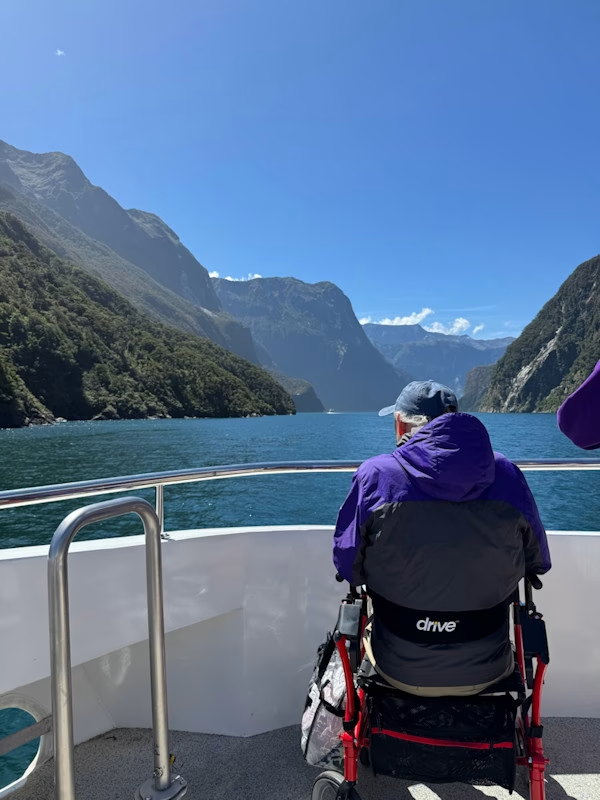
When those practical details are thoughtfully planned, guests can simply enjoy watching whales off Kaikōura, seeing little blue penguins come ashore, experiencing geothermal landscapes in Rotorua, cruising through the fiords, or stepping into the magic of Hobbiton.
What are some of the most overlooked accessibility needs you see in mainstream travel – and how do you quietly solve them before they become barriers?
Sometimes accessibility is approached in a very narrow way. An “accessible” hotel room might technically meet standards – but it overlooks things like outlook, space to move comfortably, or proximity to amenities. A room with a view of the rubbish bins doesn’t feel inclusive, even if it’s step-free.
There’s also a tendency to equate accessibility simply with being step-free. But accessibility is much broader than that. It can include lighting, noise levels, predictability of environments, clarity of communication, and how information is presented.
Often, small adjustments make a significant difference – choosing the right room within a property, allowing more flexible pacing, confirming practical details rather than relying on labels, and having open conversations with providers ahead of time.
Accessibility isn’t usually about dramatic changes. It’s about thoughtful planning, attention to detail, and being willing to see things from the traveller’s perspective.
How does trust-building with clients factor into your approach?
Trust is foundational.
Planning travel when you have specific requirements involves a lot of detail, and it’s important that people feel heard and understood from the beginning. My clinical background allows me to have open, practical conversations early on. Clients don’t need to minimise or over-explain their needs — we simply talk through what works best for them and plan accordingly.
Trust also comes from understanding that real life continues while you travel. Equipment can need adjustment. A wheelchair part might loosen. Essential consumables such as catheters may need replacing. Travelling internationally with important equipment adds another layer of planning.
Because of my healthcare experience and strong local networks, we can respond calmly and efficiently if something unexpected arises. We’ve organised repairs, sourced replacement parts, and even provided replacement power wheelchairs at short notice – ensuring guests didn’t miss a single day of their journey.
That practical capability gives people enormous reassurance.
When that trust is in place, guests can relax and focus on enjoying New Zealand — knowing the details are being quietly taken care of.
Ability Adventures & Aotearoa
What does it mean to you to open up Aotearoa’s landscapes and culture in a way that is both respectful and inclusive?
New Zealand offers extraordinary diversity: geothermal landscapes, fiords, coastlines, forests, wildlife, and rich Māori culture.
To make these places inclusive means removing unnecessary barriers while respecting the land and local communities. It’s about ensuring that more people can experience the richness of Aotearoa – its wildlife, its stories, its warmth – in ways that honour both the traveller and the place.
How do you balance exploration with safety, dignity, and personal confidence?
Exploration should feel empowering, not overwhelming – physically, cognitively, or emotionally.
That balance comes from preparation and pacing. I ensure guests feel supported without being over-managed. Dignity is central – people want to explore on their own terms.
When someone realises they can comfortably access a wildlife encounter, cruise through Milford Sound, or move through a cultural experience without worrying about logistics, their confidence naturally grows.
What role does local knowledge, relationships, and adaptability play?
Local knowledge is essential in New Zealand. Conditions change. Distances can be deceptive. Rural areas require foresight.
Strong relationships with accommodation providers, activity operators, and communities allow for flexibility and creative solutions. Adaptability ensures journeys flow smoothly, even if adjustments are needed.
Lived Life, Not Just Designed Access
How does travelling New Zealand with your own family influence your thinking?
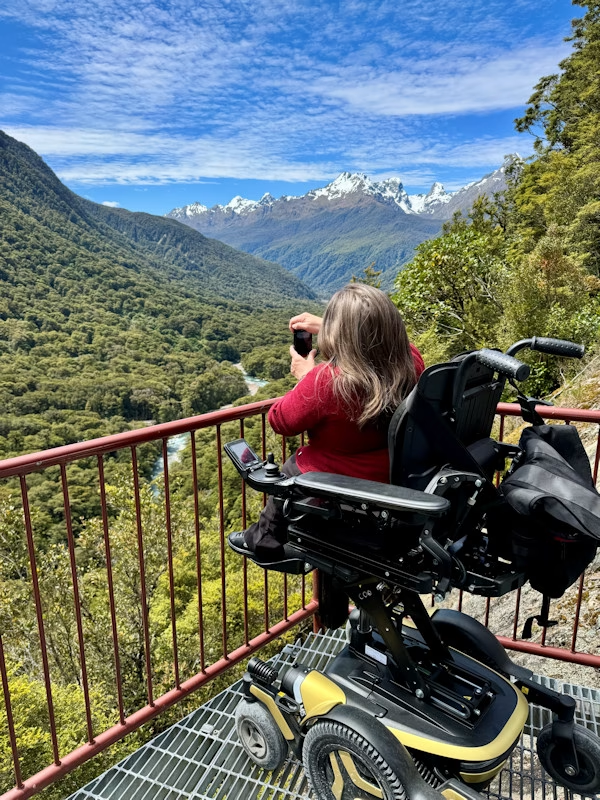
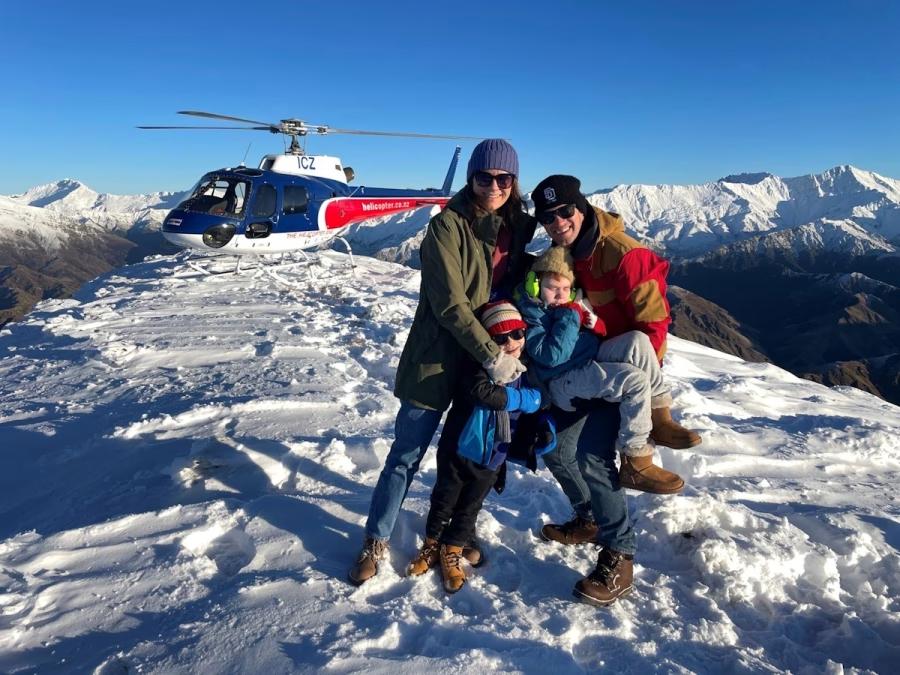
My family and I genuinely love holidaying around New Zealand. We have a campervan, but we’re just as happy staying in cabins or hotels – it’s less about the style of accommodation and more about being out there. We’re drawn to the outdoors, to birdlife, to our coastlines and forests, and to the simple pleasure of exploring different parts of Aotearoa together.
Travelling as a guest myself keeps me grounded. I notice the small details – how easy it is to move through a space, whether there’s enough room, how welcoming a place feels, how a day flows. Experiencing accommodation and activities firsthand gives me valuable insight into what truly works and what could be improved.
It reminds me that people want comfort, connection, and those special, unexpected moments – like spotting native birds or waking up somewhere peaceful. That lived experience shapes how I design journeys: practical, thoughtful, and centred around what genuinely makes travel in New Zealand memorable.
The Bigger Picture
What’s the difference between technically accessible travel and emotionally accessible travel?
Technically accessible travel meets physical requirements.
Emotionally accessible travel is when someone feels comfortable, respected, and at ease. It’s when they’re not constantly calculating whether something will work for them.
For me, true inclusion is when someone stops thinking about access altogether and just enjoys the moment.
What has working closely with disabled travellers taught you?
It has reinforced how much people value agency and choice.
- The ability to make their own decisions
- Control over where they go and what they do
- The freedom to choose experiences
- Not having others automatically decide for them
- Being treated as capable adults
People want to explore, learn, experience and travel like anyone else. Often, resilience is already there – what’s needed is an environment that supports rather than obstructs.
Looking Ahead
What’s next for Ability Adventures under your leadership?
Continuing to refine and expand inclusive travel experiences across New Zealand, while influencing positive change within the tourism sector.
My vision is for all people to feel confident that they can visit New Zealand and experience it in the way that suits them best.
What does success look like for you?
Success is when guests go home talking about how extraordinary New Zealand is – the dramatic landscapes, the incredible food and wine, the wildlife, and the genuine warmth of Kiwi hospitality.
It’s knowing they felt comfortable, confident, and free to enjoy every moment.
If they leave thinking, “That was everything we hoped for, and more,” then that’s success to me.
Over time, I hope the wider tourism sector continues deepening its understanding of accessibility – recognising that true inclusion requires expertise, foresight, and thoughtful planning.
For me personally, success is doing work that is meaningful, sustainable, and still deeply enjoyable.
Quickfire
- Aotearoa New Zealand in one word? Diverse
- Holiday essential? Good coffee and Pies!
- Mountains, coast, or forest? Too hard – can I go with all three?
- Best moment when a client realised, “I can do this”? The quiet pause – then the smile.
- Inclusivity is… Thoughtful, respectful design for everyone.