Destination Guide to Portugal
Best for soulful coastal living, golden-light cities, wine-led gastronomy and a warm, quietly attentive approach to hospitality that suits slow, sensory-rich travel.
◦ 4 min readBest for soulful coastal living, golden-light cities, wine-led gastronomy and a warm, quietly attentive approach to hospitality that suits slow, sensory-rich travel.
Portugal blends ocean horizons, historic neighbourhoods and vineyard valleys with a relaxed rhythm that encourages restorative exploration.
Accessibility continues to improve across transport and major cultural sites, though hilly old towns can present gradients and cobbles.
With hub-and-spoke routing, hosted support and selective experiences, Portugal offers inclusive luxury with sincerity and heart.
Separate TILT guides will follow for Lisbon, Porto & the Douro Valley, Algarve, and Madeira.
Getting There
Lisbon and Porto are the main gateways; Faro serves the Algarve and Funchal the island of Madeira. Major airports provide step-free areas, pre-bookable assistance, priority lanes on request and accessible restrooms. Train links from Spain are limited; most travellers fly in.
Getting Around
Domestic Flights
Useful for Madeira and the Azores. Pre-book assistance; confirm mobility-aid handling and battery requirements.
Rail Travel
Trains link Lisbon–Porto–Coimbra efficiently. Book assistance for boarding ramps and seat placement near accessible restrooms. Some regional stations may have limited step-free access so build flexibility into timings.
Road Travel
For comfort and to navigate hills and cobbles:
• Private driver-guides for door-to-door sightseeing and curated comfort stops.
• WAVs in Lisbon and Porto (limited supply; pre-book well ahead).
• Use hub-and-spoke bases to minimise packing/unpacking (e.g., Lisbon 4–5 nights with day trips).
Ferries & Scenic Boats
Douro Valley cruises vary by vessel; select premium boats with ramped or assisted boarding. Madeira and Azores ferries offer mixed access, calmer-water scenic drives or private boat charters with crew support can be more comfortable.
Destination Highlights
Nature & Scenery for All Paces
- Atlantic viewpoints and accessible coastal promenades in Cascais, Estoril, Porto’s Foz, Algarve boardwalks.
- Scenic drives through Douro Valley, Alentejo plains, and Madeira’s coastal lookouts (steep terrain; driver recommended).
- Gentle walking trails and botanical gardens with seating and shade.
Heritage, Tiles & Storytelling
- Major museums and monasteries with lifts, alternative routes and quiet-entry options.
- Tile workshops and Fado evenings with seated, intimate formats.
- Hilltop towns best visited with driver-guides for ease at viewpoints.
Cuisine & Culinary Exploration
- Seafood-led dining and wine-paired menus with dietary coordination.
- Port and Douro quintas offering seated tastings and terrace lunches.
- Hands-on gastronomy sessions (pasteis de nata, seafood, olive oil) adapted for seated participation and low-stimuli slots.
Coastal & Island Ease
- Algarve beach clubs with accessible areas (varies by resort)..
- Madeira botanical gardens, scenic drives and cable car viewpoints (access varies; choose curated routes).
Luxury Perspective
Portuguese luxury favours intimacy, nature and soulful design: azulejo-accented townhouses, vineyard estates, clifftop hotels and ocean-backed spas. Inclusive luxury often features:
- Ground-floor or lift-access suites, roll-in showers where available
- Driver-led days to manage gradients and cobbles
- Vineyard stays with private tastings, river-view terraces and thoughtfully paced dining
- Wellness with Atlantic thalasso and forest spa rituals adapted for comfort
Good to Know
Attitudes
Portuguese hospitality is warm, genuine and quietly attentive. Staff are often eager to help when needs are expressed clearly. LGBTQ+ travellers find welcoming urban scenes in Lisbon and Porto, with relaxed acceptance in coastal and wine regions.
The Rules
National accessibility standards apply, strongest in newer infrastructure, cultural venues and transport hubs. Historic quarters can challenge mobility; many venues provide alternate access routes, portable ramps or seated, guided visits. Assistance dogs are accepted across public transport and attractions.
Resources & Support
- Accessible travel specialists for coast–city–valley routing.
- Airport and rail assistance; limited but growing Wheelchair Accessible Vehicle availability.
- Mobility-equipment hire delivered to hotels in major cities
- Museums with access coordinators and inclusive programming.
Final Tips
- Expect cobbles and hills in Lisbon/Porto — rely on driver-guides and strategic hotel choices.
- Reserve accessible rooms early, especially in Douro Valley and coastal summer months.
- Pre-book tastings and workshops with access notes; terrace dining suits sensory comfort.
- For Madeira, prioritise scenic drives and gardens over steep levada paths.
- Build rest time between wine regions; Portugal rewards unhurried days.
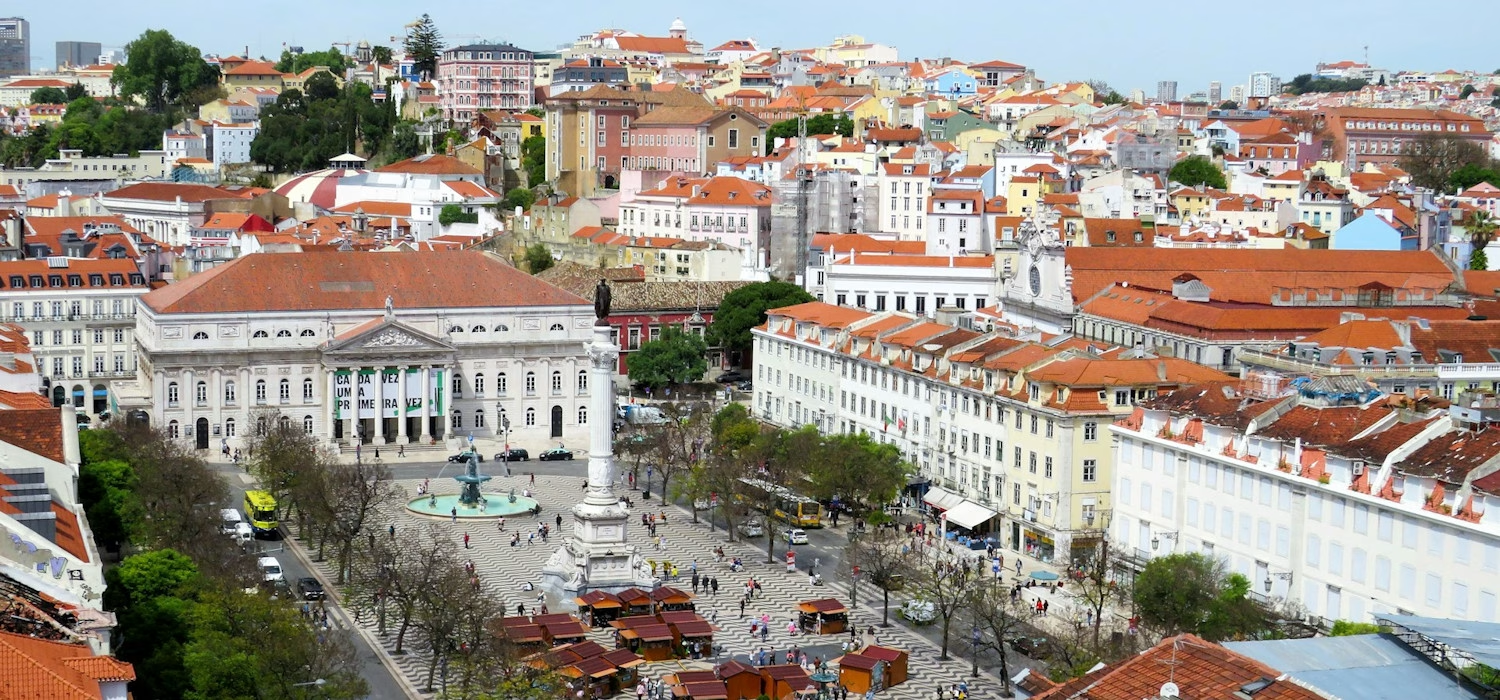
Photo of Praça do Rossio, Lisbon, by Mark Lawson on Unsplash