Destination Guide to Italy
Layered history, luminous coastlines, vernacular cuisine and soulful craftsmanship with thoughtful planning to navigate heritage constraints gracefully.
◦ 4 min readLayered history, luminous coastlines, vernacular cuisine and soulful craftsmanship with thoughtful planning to navigate heritage constraints gracefully.
Italy rewards slow, sensory travel — piazzas, galleries, gardens, coastal vistas and vineyard lunches.
Accessibility in major attractions, trains and many hotels is improving, yet historic fabric (stairs, cobbles, narrow alleys) can add friction. With hosted logistics, strategic bases and selective experiences, Italy offers deeply inclusive luxury at a restorative pace.
Separate TILT guides will follow for Rome, Florence & Tuscany, Venice & the Veneto, and Amalfi Coast & Naples.
Getting There
Rome Fiumicino, Milan Malpensa/Linate and Venice are principal gateways; Naples, Florence, Bologna and Turin offer strong European links. Terminals are largely step-free with pre-bookable assistance, priority lines on request and accessible restrooms. High-speed trains connect airports or central stations to national routes.
Getting Around
Domestic Flights
Useful for longer North–South itineraries (e.g., Milan ↔ Sicily). Pre-book assistance; confirm mobility-aid stowage and battery regulations in advance.
Rail Travel
High-speed rail is the most elegant way to cross Italy. Reserve assistance for boarding ramps, seat positioning near accessible restrooms and help with interchanges. Many major stations have lifts, though platform access can vary. Build buffer time for connections.
Road Travel
For comfort in historic settings:
- Private driver-guides to handle ZTL (restricted traffic zones), parking and door-to-door access
- WAVs where available; book early for peak seasons
- Base yourself inside the historic centre (with access-aware hotels) or just outside with easy drop-offs; minimise daily packing/unpacking.
Ferries & Scenic Boats
Ferries serve Sicily, Sardinia, Amalfi/Capri, Cinque Terre (varied vessels). Choose premium operators with ramped/assisted boarding and accessible lounges; sea states affect boarding — have a rail/road Plan B!
Destination Highlights
Nature & Scenery for All Paces
- Drive-up belvederes across Tuscany, Lazio, Lombardy lakes, Dolomites (summer viewpoints).
- Coastal promenades: Amalfi (selected sections), Sorrento, Taormina seafronts, Liguria resort towns.
- Garden estates with step-free paths and shaded seating (availability varies; choose curated visits).
Living History & Masterpieces
- Flagship archaeological sites and museums with adapted routes, lifts and seating pauses.
- Churches and palazzi often provide side entrances or hosted access; plan for queues with timed, priority or private entries.
- Artisan studios (leather, marble, glass, ceramics) with seated demonstrations and private appointments.
Cuisine & Culinary Exploration
- Slow lunches at agriturismi and vineyards with shaded terraces and accessible facilities.
- Chef-led tastings in Piedmont, Emilia-Romagna, Tuscany, Campania, Sicily with dietary coordination.
- Hands-on classes adapted for seated participation (pasta, gelato, olive-oil tasting) and market strolls with reserved seating.
Coast, Lakes & Dolce Far Niente
- Lake Como/Garda/Maggiore boat touring with assisted boarding on select vessels
- Amalfi/Capri and Sicily charters with crew assistance; choose calmer-sea windows
- Rooftop sunsets and cloistered gardens for restorative pauses
Luxury Perspective
Italian luxury celebrates craft, heritage and sensual pleasure: frescoed salons, lake-view terraces, thermal spas and private terraces. Inclusive luxury commonly includes:
- Lift-access or ground-level suites, roll-in showers where available, or well-planned alternatives.
- Driver-guided days to bypass ZTL (Zona a Traffico Limitato or Limited Traffic Zone) and gradients; porterage at stations and hotels.
- After-hours museum entries, chapel concerts, vineyard salons and palace dining.
- Thermal/med-spa stays with adapted facilities (e.g., in Tuscany, Ischia, the Veneto).
Good to Know
Attitudes
Italian hospitality is warm, personal and solution-seeking when needs are expressed. Museums and marquee sites provide increasing inclusion (lifts, alternate routes, tactile paths), though access often differs by building. LGBTQ+ travellers find welcoming urban scenes (Rome, Milan, Bologna, Turin, Naples); smaller towns are generally cordial.
The Rules
Non-discrimination and accessibility provisions apply nationally, with stronger compliance in transport hubs, museums and modern hotels. Historic fabric may limit step-free routes; venues frequently offer portable ramps, seated tours or alternative entries. Assistance dogs are accepted across public transport and attractions.
Resources & Support
- Accessible travel specialists for rail-first or driver-led itineraries.
- Rail and airport assistance teams; ferry accessibility coordinators.
- WAV (wheelchair accessible vehicle)hire in major cities; mobility-equipment rental delivered to hotels.
- Museums and marquee sites with dedicated access contacts and inclusive programming.
Final Tips
- Use high-speed rail for city-to-city; pre-book assistance and build buffer time
- For hill towns and islands, rely on driver-guides and choose central bases to reduce gradients
- Reserve accessible rooms far in advance for Venice, Amalfi and peak summer
- Keep a flexible Plan B for boat days (weather/sea state)
- Lean on museum access teams for quiet entries, seating and alternate routes
Photo of Colosseum, Rome by Mathew Schwartz on Unsplash
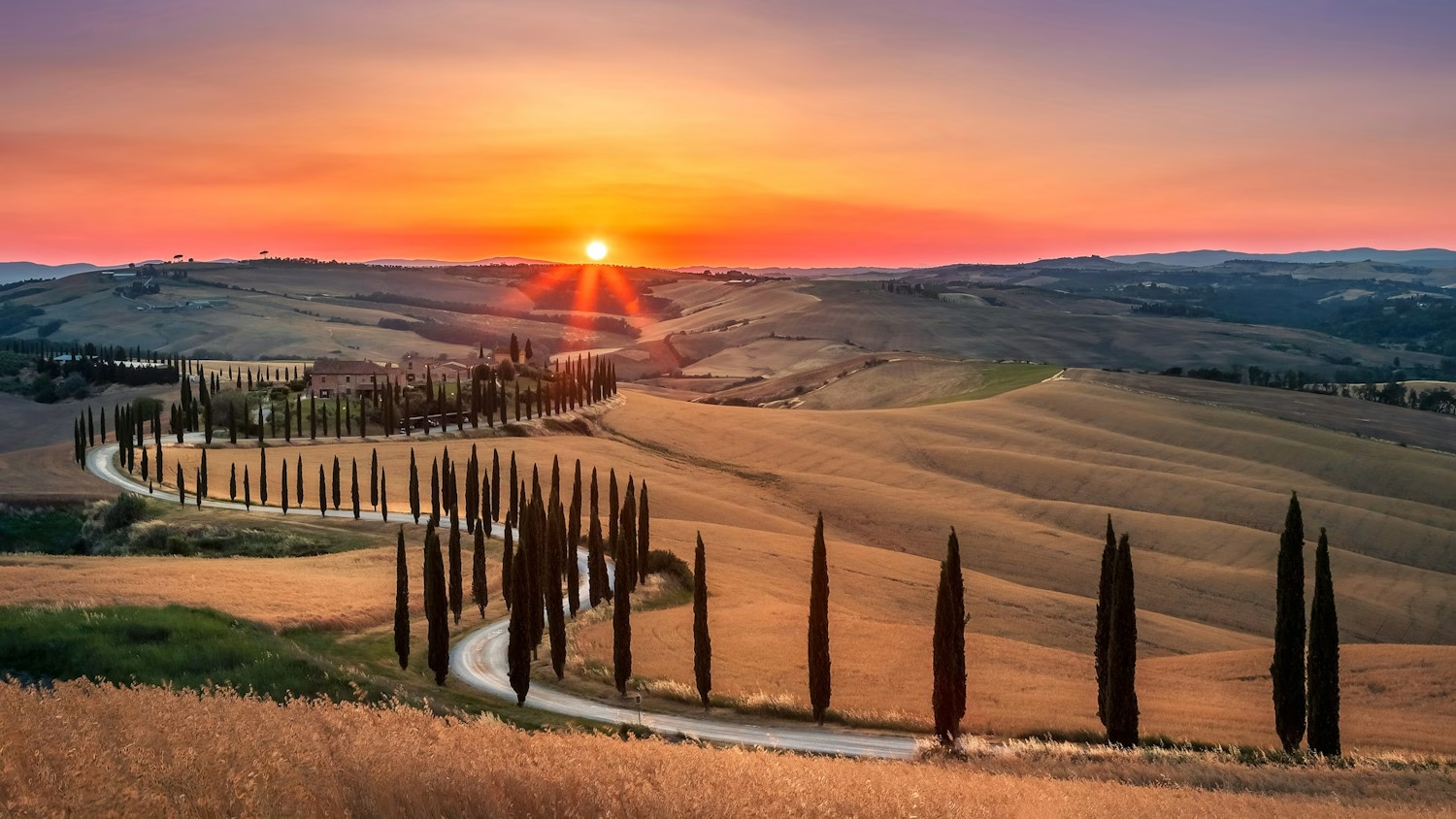
Photo of Asciano, Siena by Samuele Bertoli on Unsplash