Inclusive Bali: My Wheelchair-Friendly Luxury Journey
Morning coffee with this view? Yes, please. The jungle in Ubud wakes you before your alarm ever could. Birds calling from somewhere deep in the green, a soft mist tangled...
◦ 5 min readMorning coffee with this view? Yes, please.
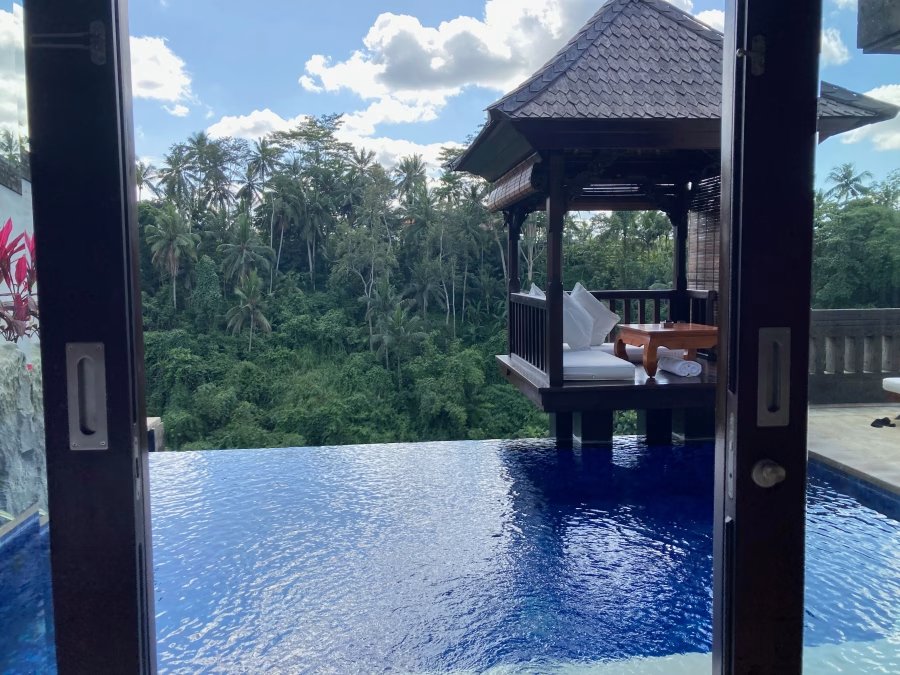
The jungle in Ubud wakes you before your alarm ever could. Birds calling from somewhere deep in the green, a soft mist tangled in the treetops, and the faint perfume of frangipani in the cool morning air. I lay there for a moment in a bed so soft it felt like I was floating.
Then I rolled out to the terrace and… oh. That infinity pool. Perfectly still, perfectly positioned to spill straight into the ravine below, where a thousand shades of green – bamboo, ferns, palms -tumbled into the distance. The sky was just blushing with dawn, and I had a steaming cup of strong Indonesian coffee in my hands.
It was my Bali moment. And I had gotten here in my wheelchair, despite the fact that more than one “luxury” travel agent had strongly suggested I skip Ubud altogether.
When the Experts Say “Don’t”
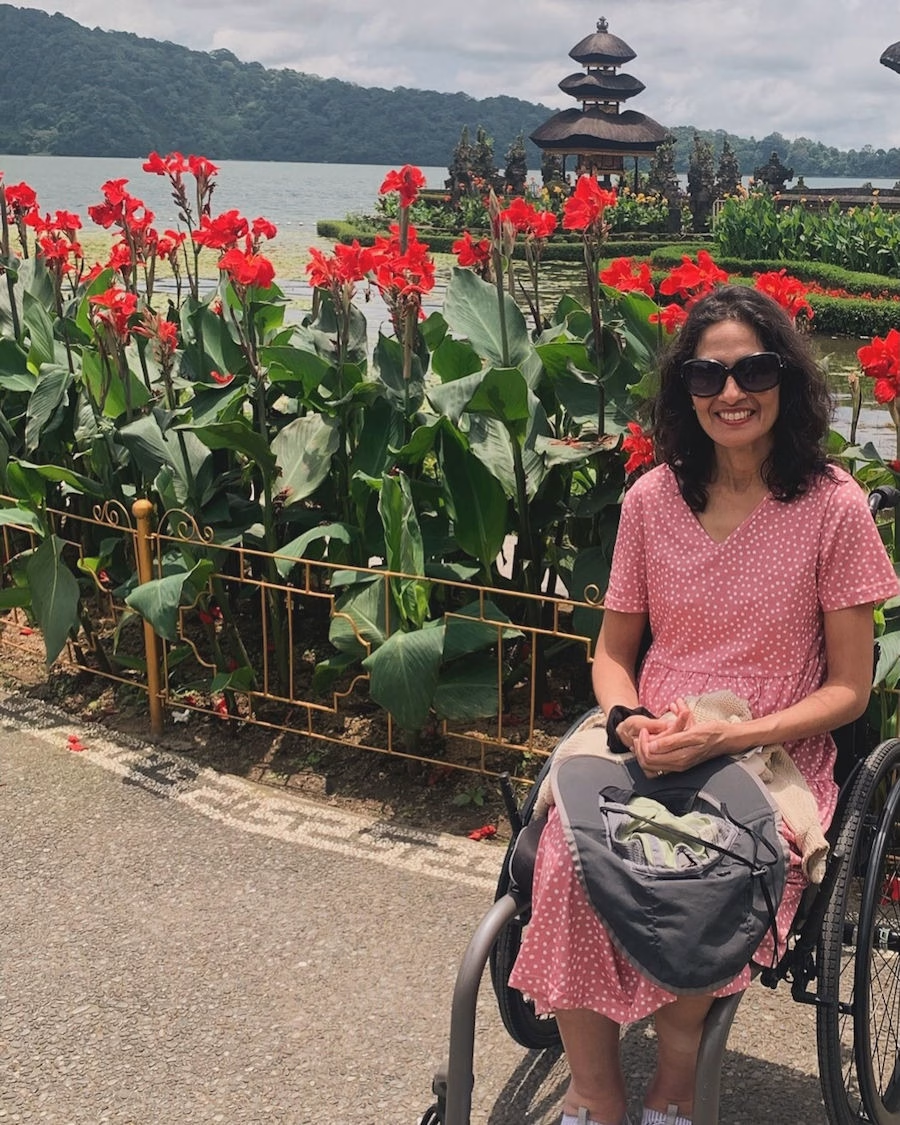
The view they told me I couldn’t have.
When most people think of Bali, they think of beaches. But my dream was Ubud – its temples, rice terraces, jungle views, and that intense, almost electric green you only find in tropical hillsides.
The problem? Multiple travel agencies, even high-end ones, tried to push me toward flat, coastal areas like Seminyak, suggesting Western chain hotels with “accessible” rooms. They weren’t being unkind—but they weren’t being imaginative either.
My 25th wedding anniversary was coming up. I’ve lived with MS for over 20 years and I love to travel. I have not let MS stop me from traveling and I wasn’t going to now.
First Stop: Singapore
Singapore: the perfect inclusive luxury gateway city to South Asia.
After a 16-hour flight from San Francisco, I landed in Singapore, a city that should be the poster child for how to achieve both accessibility AND inclusivity. (More on Singapore in a future blog). Changi Airport is everything you wish an airport could be: spotless, touchless, easy to navigate, and blissfully free of long, exhausting lines. (Aside: Note to all airports… the touchless accessible restrooms are good for EVERYONE not just wheelchair users- parents with strollers, people pulling luggage… take a look at Changi before investing $$$ in the next remodel?)
The Ritz-Carlton Millenia was our home base, and if there’s one thing luxury does well, it’s noticing the little things. Every morning, the chef at the Indian station greeted my husband—who had recently fallen in love with South Indian breakfasts, with coffee and a made-to-order dosa. That’s not just good service. That’s luxury hospitality.
Hello, Bali
The Viceroy Bali: where my island dreams came true.
Bali isn’t Singapore but it welcomed me with open arms.. Bali is not fully wheelchair accessible in any sense– roads are uneven, sidewalks are narrow, and steps are everywhere. But what it lacks in infrastructure, it makes up for in warmth and adaptability.
Our guide and driver quickly became my team – helping me in and out of the car, carrying my chair, and making sure nothing got between me and my Ubud adventures.
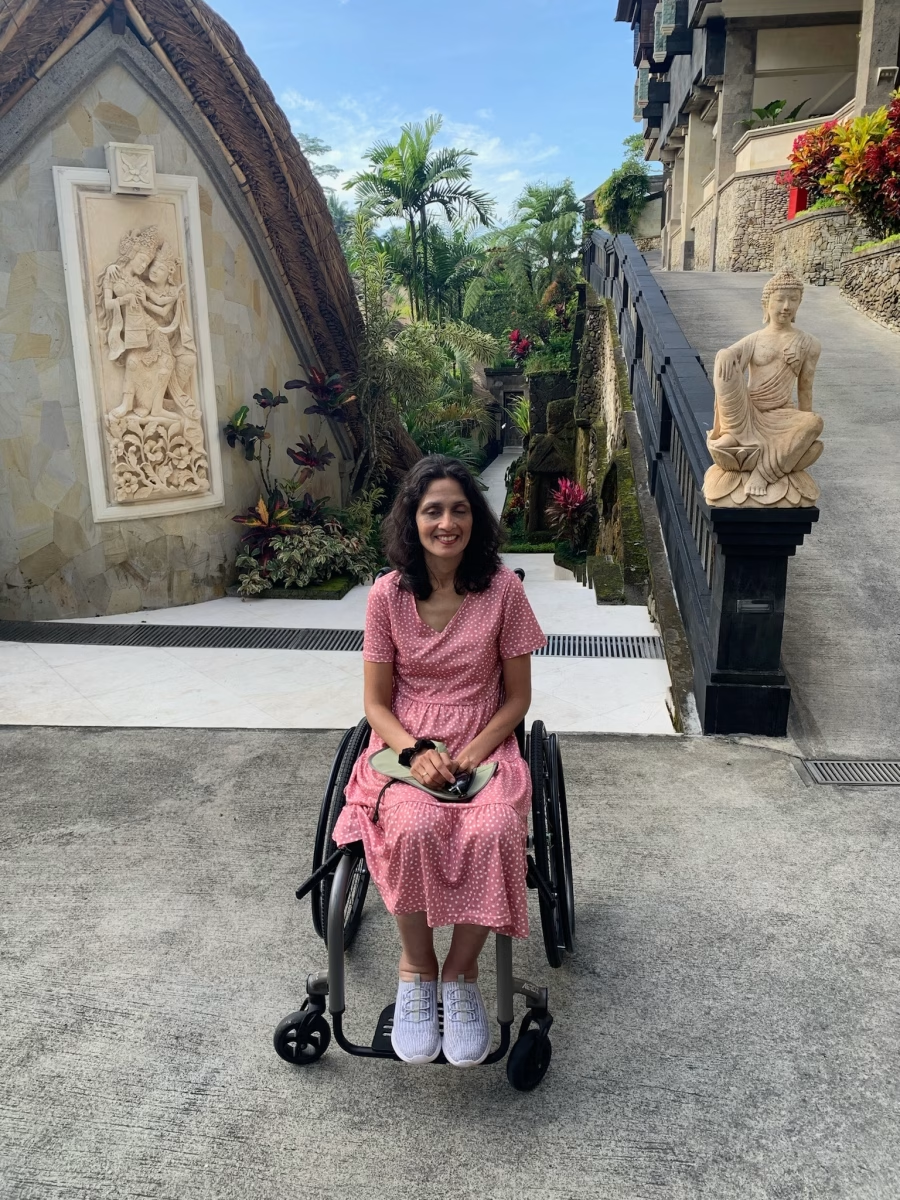
Our hotel, the Viceroy Bali, was everything I had pictured when I dreamed about this trip: teak wood, bamboo, airy spaces with white curtains billowing in the breeze, and that view – over rice paddies and jungle canopies – straight from the pool.
Conquering the Rice Terraces
The rice terraces of Ubud are legendary, emerald steps carved into hillsides, shimmering with water and lined with coconut palms. The paths are steep and uneven, and I rolled as far as I could before the slope stopped me.
Every guidebook warns about the steep, uneven paths at the rice terraces. I rolled as far as I could, soaking in the view of those emerald steps carved into the hillside, water glinting in the sun. Then the slope got too much.
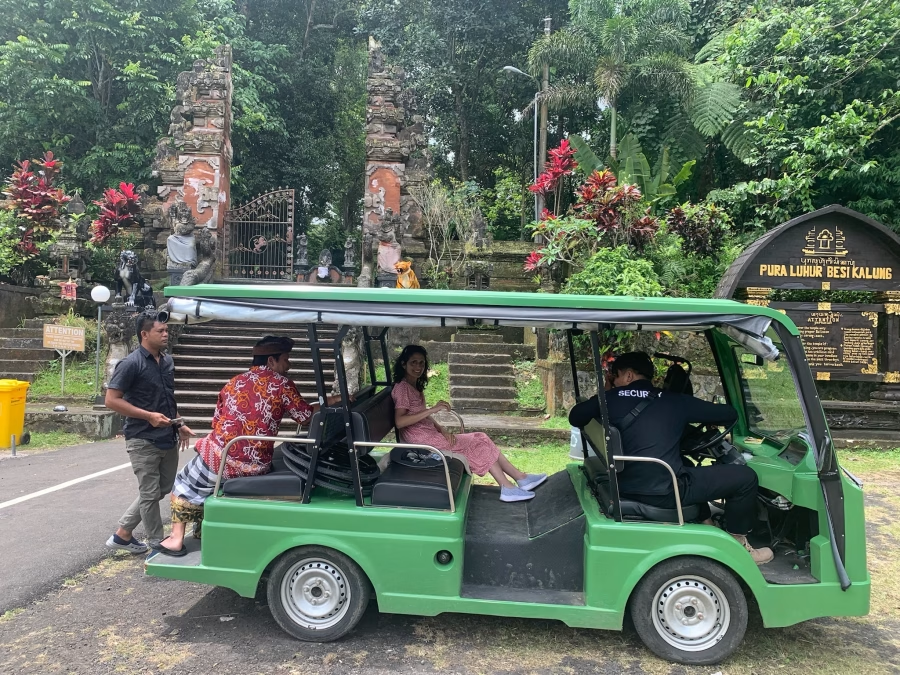
Just as I was about to turn back, a security guard in a green cart appeared, smiling and waving us over. Wheelchair in the front, me and my husband in the back, and suddenly we were off, winding through the terraces, seeing more than most people on foot.
Luxury Without Limits
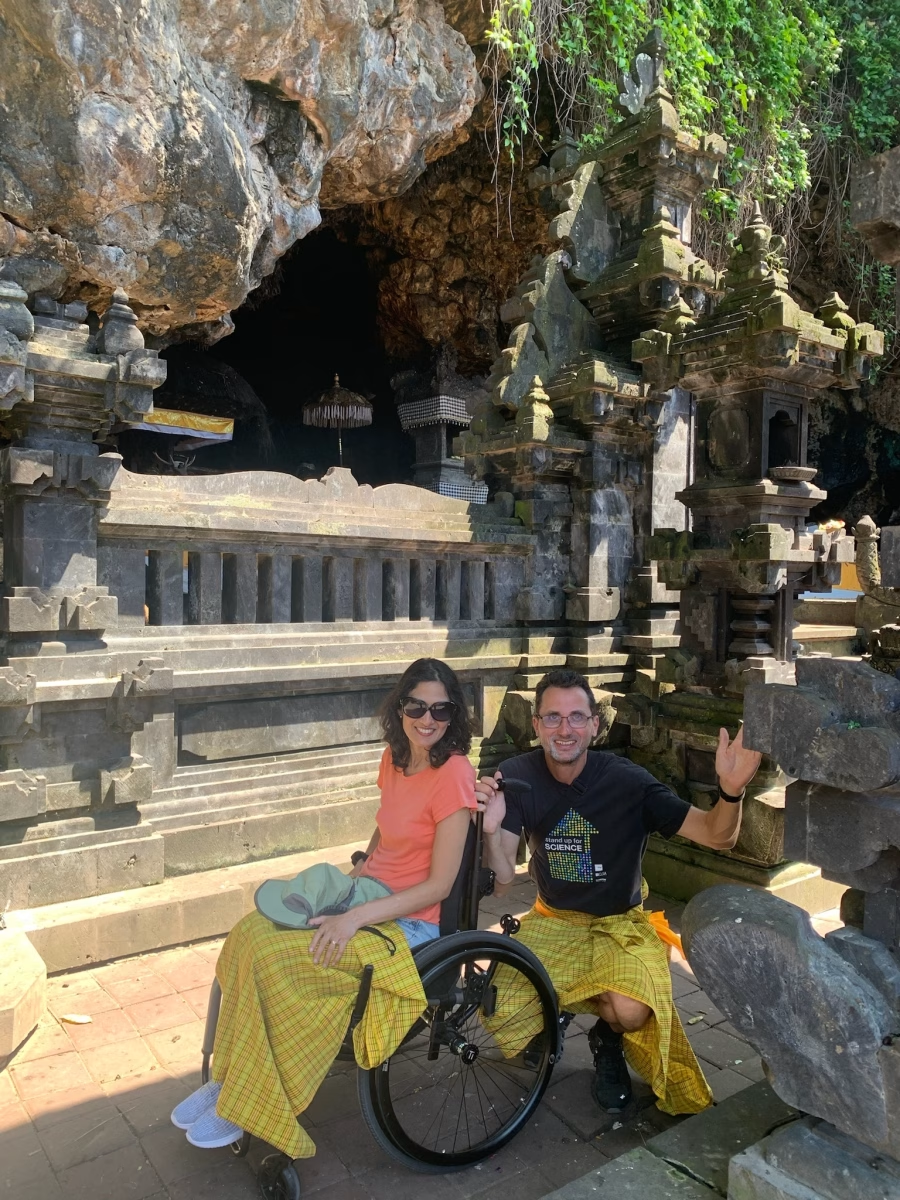
Was Bali “accessible” in the strict legal sense? Not even close. But it was inclusive, welcoming, and willing to adapt so I could have my dream trip.
The more we, as travelers with disabilities claim our place in the world’s most beautiful destinations, the more the luxury travel industry will change to meet us.
Tips for Traveling to Bali with Limited Mobility
• Hire a local guide and driver. They’ll know where you can and can’t go, and will help you get there regardless.
• Communicate your mobility needs in detail before you arrive. Be clear about what you can and can’t do.
• Don’t underestimate people’s willingness to help. From hotel staff to security guards, kindness goes a long way here.
• Plan extra time for transfers and sightseeing. Terrain can be slow going.
• Be flexible. Accessibility here is about adaptation, not perfection, and sometimes the alternative (like a security cart ride through the rice terraces) is even better.

San Francisco based Jan Bonville is an advocate for inclusive luxury travel and a partner of Inclu. Jan has lived with progressive mobility disability for over 20 years but has not let that stop her from traveling with her family around the world, particularly nature and wilderness destinations, many of which have been traditionally completely inaccessible to travelers with mobility impairments and wheelchair users. With a professional background as a former management consultant and in higher education, she uses her problem solving and partnership building skills to help destinations develop strategies for greater inclusion for people with mobility impairments and families of mixed abilities like hers. Jan is both a consultant and a writer for various publications.