Destination Guide to England
Best for layered history, world-class culture, accessible cities, refined countryside escapes and an evolving commitment to inclusive travel.
◦ 4 min readBest for layered history, world-class culture, accessible cities, refined countryside escapes and an evolving commitment to inclusive travel.
Getting There
England is well connected globally, with major gateways including London Heathrow Airport, London Gatwick Airport, Manchester Airport and Birmingham Airport.
Airports provide step-free access, pre-bookable assistance, accessible washrooms and priority security lanes.
Rail and road links from airports into cities are frequent and well signposted.
Travellers using mobility aids should share dimensions and battery details (if powered) in advance.
Getting Around
England’s transport network is extensive, with accessibility strongest in major cities and on newer infrastructure.
Rail
National Rail services offer pre-bookable Passenger Assist, wheelchair spaces and accessible toilets on most intercity trains. Step-free station access varies, particularly at historic stations, so advance planning is important.
Urban transport
London, Manchester, Birmingham and Liverpool have increasingly accessible buses and trams; Underground and metro lift coverage varies by line and station.
Road travel
Private cars and Wheelchair Accessible Vehicles are widely available and ideal for countryside regions, heritage towns and coastal touring.
Domestic flights
Limited but useful for longer routes (e.g. London ↔ Newcastle or Cornwall), with reliable assistance services.
Boats
River cruises on the Thames, Mersey and Avon often offer ramped boarding and accessible decks.
Destination Highlights
Themes
Heritage & Culture: Palaces, castles, cathedrals and world-leading museums adapted to modern access standards.
Cities & Creative Energy: Walkable and rollable urban centres with theatre, music, dining and waterfront regeneration.
Countryside & Coast: National parks, stately homes and seaside towns best enjoyed through curated routes and private touring.
Regional Snapshot
London – Exceptional museums, accessible West End theatres, step-free river paths, luxury hotels and increasingly accessible public transport.
Manchester – Flat city centre, accessible cultural venues, strong dining scene and excellent rail connections.
Birmingham – Canalside regeneration, shopping districts and museums with good step-free access.
Liverpool – Waterfront museums, music heritage and accessible ferry experiences.
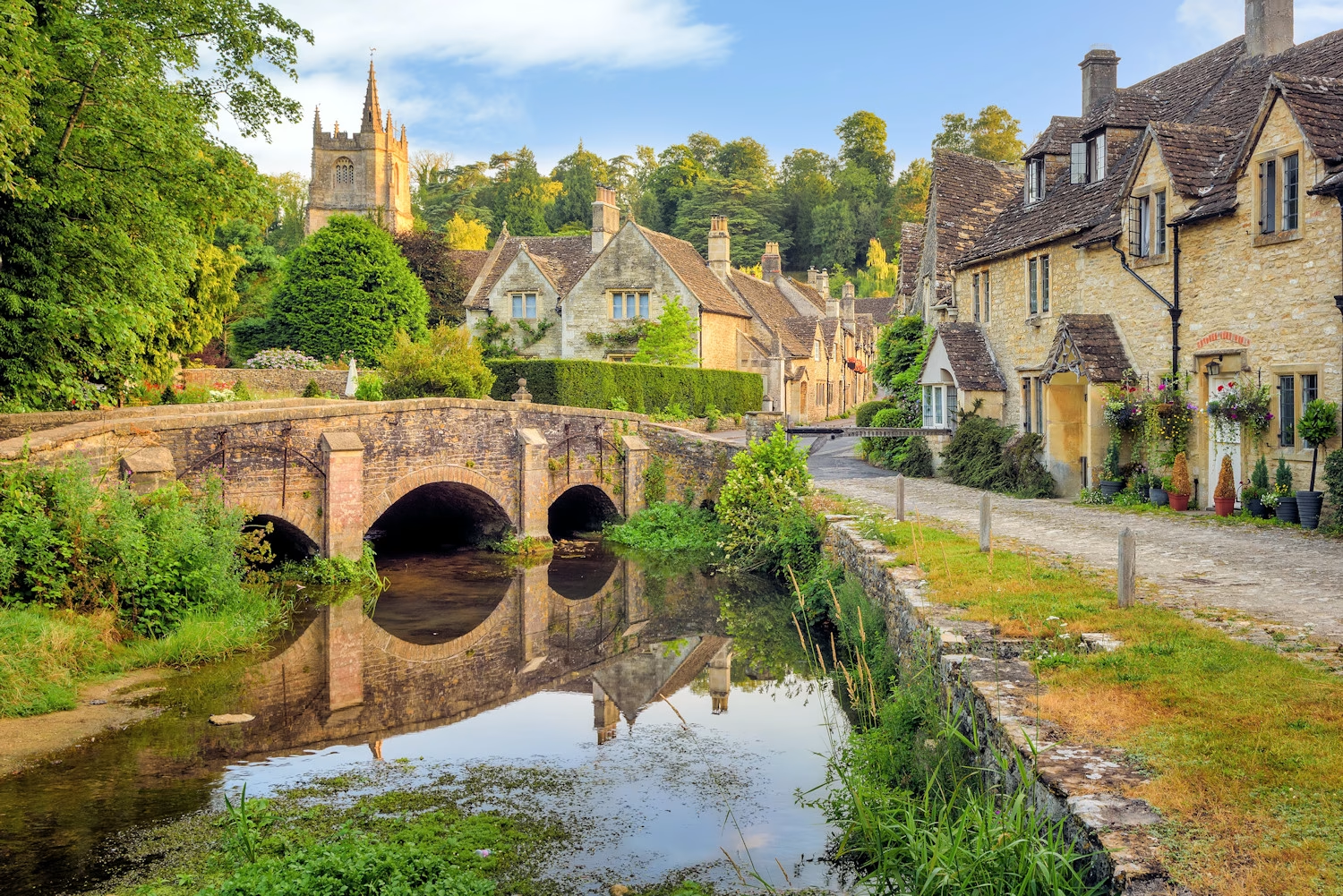
Cotswolds – Rolling countryside, manor houses and villages best explored via private car; many estates offer accessible gardens and tearooms.
Lake District – Dramatic scenery with accessible lakeside paths, boat cruises and drive-up viewpoints.
Cornwall – Coastal beauty, accessible beaches (select), harbour towns and relaxed luxury retreats.
Cuisine & Culinary Exploration
England’s dining scene blends heritage comfort with contemporary innovation.
Signature experiences: Modern British tasting menus, traditional afternoon tea, coastal seafood, gastropubs and regional specialities.
Inclusive dining: Many restaurants provide step-free access, accessible toilets and flexible seating; fine-dining venues are typically adept at accommodating access and dietary needs.
Curated tastings: Private dining rooms, vineyard and distillery visits, market tours using level routes and seated cooking demonstrations.
Dietary needs: Vegetarian, vegan, allergen-aware and halal options are widely available and clearly labelled.
Luxury Perspective
English luxury is rooted in heritage, discretion and comfort. Look for:
- Adapted suites in five-star city hotels and country-house estates, with roll-in showers and lift access.
- Country retreats offering accessible spa facilities, manicured gardens, afternoon tea terraces and chauffeur-led touring.
- Cultural access: Private museum tours, theatre boxes with step-free entry and behind-the-scenes heritage experiences.
- Wellness escapes: Spa towns and countryside lodges with inclusive thermal and treatment facilities.
- Slow travel: Elegant rail journeys and river cruises that reduce physical exertion.
Attitudes
- England has a strong legal framework supporting equality and inclusivity.
- In hospitality, museums and attractions, staff are generally knowledgeable and willing to assist when needs are communicated clearly.
- LGBTQ+ travellers experience high levels of acceptance and visibility, particularly in cities and university towns.
The Rules
- Accessibility is protected under the Equality Act, covering transport, accommodation and public venues.
- Many museums, galleries, theatres and shopping districts offer step-free entry, lifts and accessible toilets.
- Historic buildings may provide partial access via ramps, alternative entrances or viewing routes.
- Assistance dogs are widely recognised.
Resources & Support
- England provides extensive accessibility information through transport operators, local councils and national attractions.
- Specialist providers offer WAV hire, mobility equipment rental and personal assistance.
- Many museums and theatres provide wheelchair loans, relaxed performances and companion seating.
Final Tips
- Pre-book rail assistance and accessible theatre seating well in advance.
- Historic streets can be uneven – concierge teams and local guides help plan smooth routes.
- Combine one major city + one countryside region for balanced pacing.
- Weather changes quickly; pack covers for mobility equipment.
- Take advantage of England’s café culture – frequent rest stops enhance comfort without reducing experience.