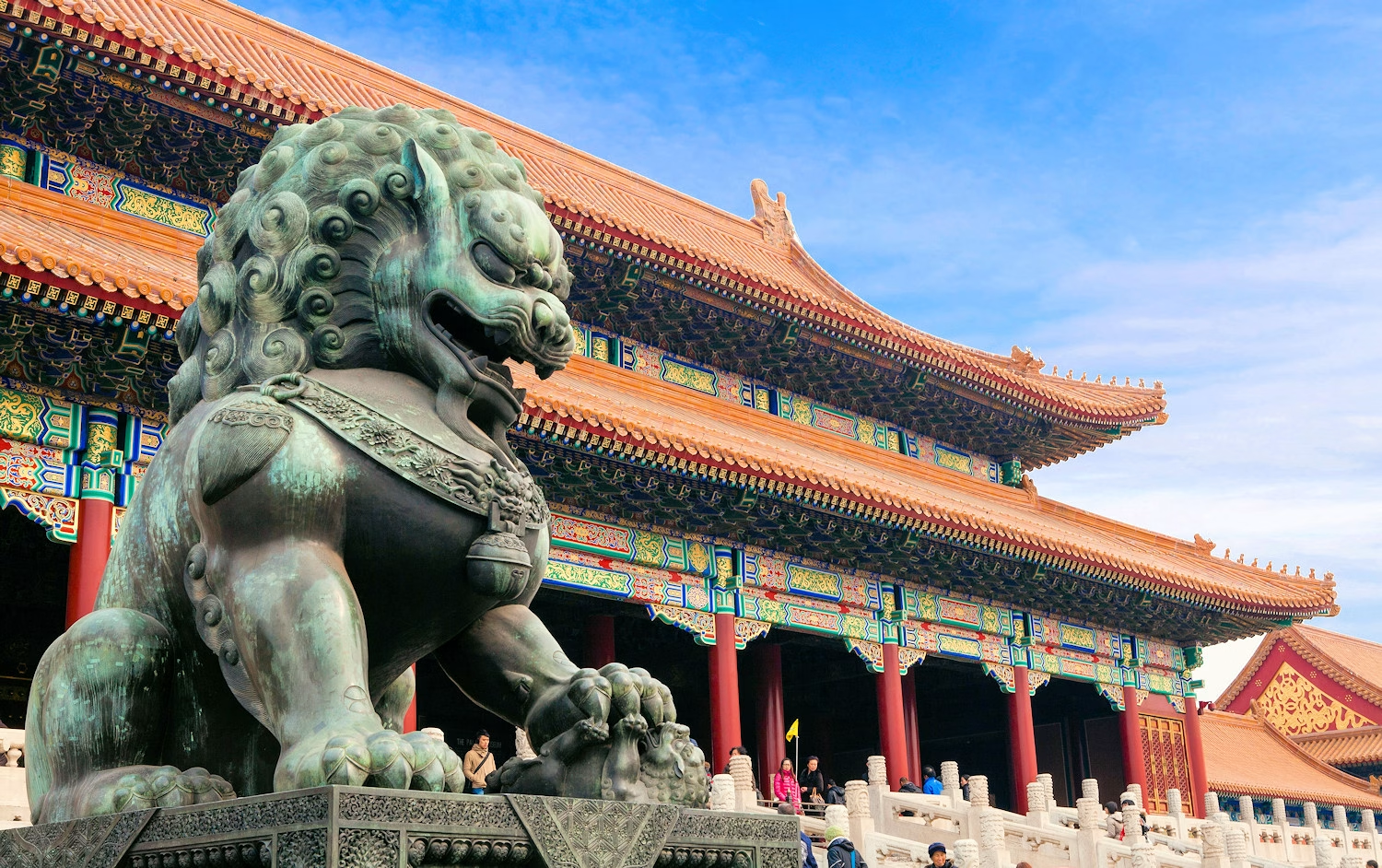
China
Destination Guide to China
Grand heritage, ultra-modern cities, serene landscapes, and an increasingly robust infrastructure supporting confident, comfortable, inclusive travel.
◦ 5 min read
Destination Guide to China
Grand heritage, ultra-modern cities, serene landscapes, and an increasingly robust infrastructure supporting confident, comfortable, inclusive travel.
Getting There
- Main international gateways include Beijing Capital (PEK), Beijing Daxing (PKX), Shanghai Pudong (PVG), Shanghai Hongqiao (SHA), Guangzhou (CAN) and Hong Kong (HKG).
- Major airports offer step-free access, pre-bookable meet-and-assist, accessible washrooms and clear mobility-support signage.
- Provide airlines with mobility-aid dimensions and battery type (if powered).
- Domestic connections are frequent and well organised.
Getting Around
China’s large geography makes high-speed rail and domestic flights the most efficient options for long distances.
- High-speed rail (HSR): Among the world’s best – lift-served stations, accessible ticket counters, priority routes through security, wheelchair spaces and accessible toilets on most trains.
- Urban transport: Major cities (Beijing, Shanghai, Guangzhou, Shenzhen, Chengdu) have extensive lift-served metro networks with wide gates and tactile paving.
- Road travel: Private cars with drivers suit curated city touring and suburban/heritage sites; WAVs available in large cities via specialists.
- Walking/rolling routes: Pavements are wide and generally smooth in modern districts; older neighbourhoods may have uneven surfaces.
- Boats: River cruises and large ferries often offer ramp/assisted boarding; smaller boats vary.
Destination Highlights
Themes
- Heritage & Imperial Architecture: Grand palaces, temples and historic towns – best approached via curated routes, accessible shuttles and scenic perimeters rather than extensive stair climbs.
- Cities & Culture: Mega-cities with world-class museums, design districts, accessible metro networks and contemporary arts scenes.
- Landscapes & Nature: Accessible viewpoints across mountains, lakes, gardens and river valleys; cable cars and boardwalks offer scenic access without steep hikes.
Regional Snapshot
- Beijing – Forbidden City (partial access), Temple of Heaven park routes, Summer Palace lakefronts, 798 Art District and excellent metro infrastructure.
- Shanghai – The Bund (accessible promenade), Pudong skyline, museums, river cruises and smooth, step-free luxury districts.
- Xian – Terracotta Warriors with accessible museum galleries and wide paths; city walls via selected ramped entrances and viewing terraces.
- Guangzhou & Shenzhen – Modern, business-forward cities with excellent transport, museums and accessible dining.
- Chengdu – Panda conservation centres with wheelchair-friendly paths, serene temples and tea gardens.
- Guilin & Yangshuo – Karst scenery with accessible riverside promenades, drive-up viewpoints and large-boat river cruises.
- Hangzhou & Suzhou – West Lake boardwalks, classical gardens (partial access), and peaceful cultural districts.
- Hainan Island – Beaches and resorts with strong accessibility, calm-water marine options and island relaxation.
Cuisine & Culinary Exploration
China’s culinary diversity is vast and regionally distinct — ideal for travellers who enjoy structured, seated experiences in comfortable settings.
- Signature cuisines: Cantonese dim sum and seafood; Beijing roast duck; Shanghainese braises; Sichuan spice and aroma; Hunan heat; Yunnan herbs.
- Inclusive dining: International hotels and premium restaurants offer step-free access, quieter seating and private rooms for sensory comfort.
- Tasting experiences: Curated dim sum tastings, tea ceremonies adapted for seated comfort, dumpling-making classes, and market-to-table sessions held in accessible food halls.
- Dietary needs: Many kitchens can adjust chilli, oil, salt and texture levels; vegetarian, halal and low-allergen meals are widely available when pre-arranged.
Luxury Perspective
China excels at ultra-modern luxury balanced with heritage refinement. Look for:
- Adapted rooms/suites with roll-in showers, grab bars, visual alarms and spacious layouts.
- Modern luxury hotels with lift access to restaurants, spas, pools and lounges.
- Accessible river cruises (Yangtze, Huangpu) with stabilised boarding and wheelchair-accessible decks.
- Private touring: Driver-guided circuits, palace/courtyard visits with alternate entrances, museum after-hours access, and calligraphy/tea/ceremony workshops adapted for seated comfort.
- Nature retreats: Resorts with buggy mobility, garden pathways, accessible hot-spring experiences (select), and level lakefront decks.
Attitudes
- Urban hospitality teams are increasingly familiar with accessibility needs and will provide assistance when asked.
- Service culture is professional and respectful, especially in international hotels.
- English is widely spoken in major cities.
- LGBTQ+ travellers typically receive discreet, courteous hospitality; a low-key approach is comfortable in smaller towns.
The Rules
- Accessibility is strongest in modern cities, airports, stations, museums, theme parks and new cultural districts.
- Heritage sites often involve steps, uneven surfaces or sloped walkways, though many now offer accessible shuttles, boardwalks or level-view terraces.
- Some attractions require ID for entry; carry a passport copy.
- Dress modestly at temples; follow photography rules at sacred or politically sensitive sites.
Resources & Support
- Specialist travel providers arrange WAVs, mobility equipment hire, caregivers and accessible touring in major cities.
- Tourist boards publish accessibility information for airports, metros and top attractions.
- Museums and parks often have wheelchair loan services and companion seating.
- Always reconfirm accessibility and vehicle type in advance for regional touring.
Final Tips
- Build itineraries around two to three bases (e.g., Beijing + Shanghai + one scenic region).
- Pre-book adapted rooms, Wheelchair Accessible Vehicles, accessible shuttles for heritage sites and high-speed rail wheelchair spaces.
- Expect steps in historic areas; use curated routes focusing on scenic viewpoints, courtyards and museums.
- Bring essential medicine and translations for allergies or medical needs.
- Start days early to avoid crowds at major sites.
- Clear communication helps — staff are keen to assist and appreciate direct, polite requests.
Photo by Rafik on Unsplash