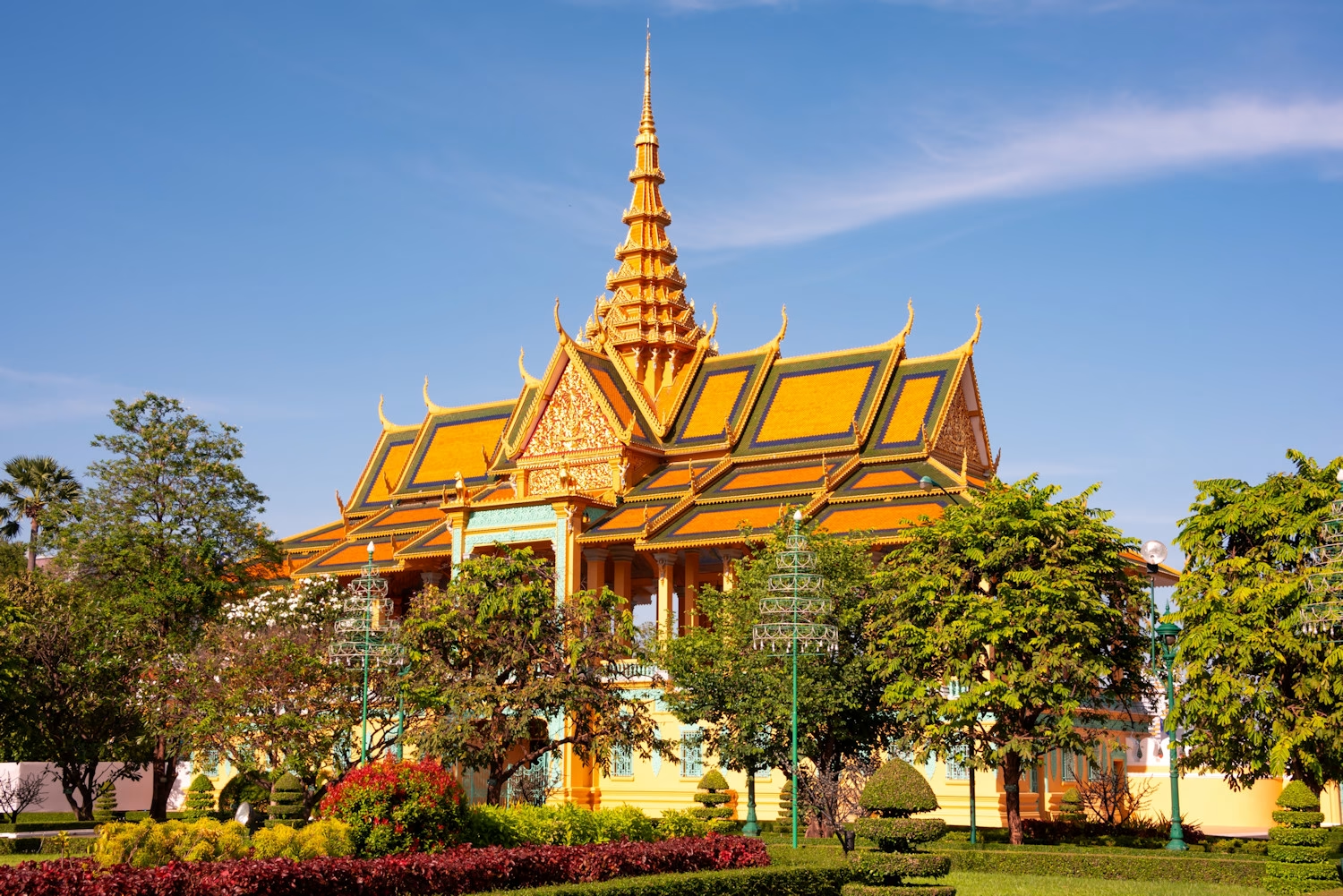
Destination Guide to Cambodia
Timeless temple landscapes, river life, artful boutique stays and gently paced journeys between heritage towns and coastal retreats.
◦ 4 min readTimeless temple landscapes, river life, artful boutique stays and gently paced journeys between heritage towns and coastal retreats.
Getting There
Most travellers arrive via Phnom Penh International or Siem Reap–Angkor International. Both offer step-free routes, pre-bookable meet-and-assist and accessible washrooms. For multi-region trips, domestic flights between Phnom Penh and Siem Reap are efficient. Share mobility-aid dimensions and battery type (if powered) with your airline in advance; request aisle chairs and kerb-to-seat support.
Getting Around
Domestic flights suit longer hops; for short distances, private road transfers are most comfortable and allow door-to-door drop-offs at museums, temples and riverfronts. Pavements can be uneven outside core districts; rely on adapted vehicles where available (limited and best arranged via hotels/DMCs). Intercity rail operates on select routes but isn’t the most accessible option. Boats (Tonlé Sap/Mekong) vary: larger, enclosed vessels with ramp or assisted boarding can work; small riverboats and floating-village landings are typically not suitable.
Destination Highlights
Themes
- Heritage & Living Culture: Angkor’s causeways, terraces and galleries are best enjoyed through curated, short routes, museum stops and viewpoint terraces rather than full temple traverses. In cities, palace compounds, pagodas and contemporary arts venues offer calm, step-free segments.
- Rivers, Countryside & Crafts: Mekong/Tonlé Sap embankments, village craft ateliers, pepper farms and rice-field lookouts work well by vehicle with brief, level visits. Choose larger boats for river scenes and birdlife.
- Coast & Easy Nature: Kep’s breezy promenades, Kampot’s riverfront, and selected island resorts offer gentle days with boardwalk dining and assisted water access where provided.
Regional Snapshot
- Siem Reap & Angkor – Gateway to temple complexes; rely on vehicle-assisted loops, museum galleries, terrace viewpoints and selected, smoother causeways.
- Phnom Penh – Royal Palace precincts, museums and riverfront promenades; modern hotels and dining rooms with good step-free access.
- Battambang – Artsy small city; colonial streets best via short mapped circuits, accessible galleries/cafés and countryside photo stops.
- Kampot & Kep – Slow-paced river and coast; pepper estates, crab market dining on level platforms, sunset cruises on larger boats.
- Sihanoukville & Islands – Accessibility varies; select resort-managed transfers and stabilised craft for any water time. Small speedboats and beach landings are usually unsuitable.
Cuisine & Culinary Exploration
Khmer cuisine is delicate and aromatic — ideal for seated, step-free dining.
- Signature tastes: fish amok (coconut-curried mousse), lok lak (pepper-lime beef), num banh chok (rice noodles with herbal gravy), kuy teav (breakfast noodle soup), prahok-based relishes, palm sugar desserts.
- Inclusive dining: Hotel restaurants and contemporary Khmer kitchens provide accessible layouts, quieter corners and companion seating.
- Curated tastings: Chef-led market tastings conducted in accessible food halls, seated cooking classes, pepper/chocolate/cocoa farm visits with level terraces.
- Dietary notes: Easy to brief for spice, texture and allergen needs; many menus can adapt for halal, vegetarian or lighter flavours.
Luxury Perspective
Luxury in Cambodia is boutique, serene and host-led. Look for adapted rooms with roll-in showers, calm pool courtyards (zero-entry/hoist at select properties), spa suites with step-free access, and garden pavilions for private dining. Private guides and driver-guides create short, high-impact temple circuits, arts visits and river evenings with minimal walking. On water, choose larger, stabilised boats with shade, back-rest seating and assisted boarding.
Attitudes
Cambodians are warm, gracious and eager to help when needs are explained clearly. Hospitality teams in established hotels and attractions are accustomed to supporting disabled travellers. LGBTQ+ visitors generally experience discreet, respectful service in tourism settings; a low-key approach is comfortable in rural areas.
The Rules
Accessibility is strongest at airports, modern hotels, malls, museums and new attractions. Angkor and other heritage sites balance preservation with safety; expect partial access and plan short, step-free circuits, shaded rest points and vehicle drop-offs close to gentler entrances. Dress modestly at sacred sites (shoulders/knees covered) and remove hats in shrine interiors.
Resources & Support
Reputable DMCs arrange accessible vehicles (limited), portable ramps, shower chairs, caregiver support and medical-equipment hire. Museums and major attractions publish access notes or can advise on alternative entrances and quieter times. Hotels often have a coordinator who can pre-confirm ramp locations, lift access and table setups.
Final Tips
- Temple days: Go early for cooler temperatures and fewer crowds; focus on two or three key sites with terrace viewpoints rather than long traverses.
- Surfaces: Expect stone, sand and uneven paving – bring anti-slip tyre covers, rain protection and a compact repair kit.
- Boats: Request written boarding details (gangway width/angle) and choose morning sailings for calmer conditions.
- Pacing: Build rest windows and shaded café breaks into each day; Cambodia rewards slow exploration.
- Etiquette: Dress modestly at sacred sites; be mindful when photographing monks or ceremonies.