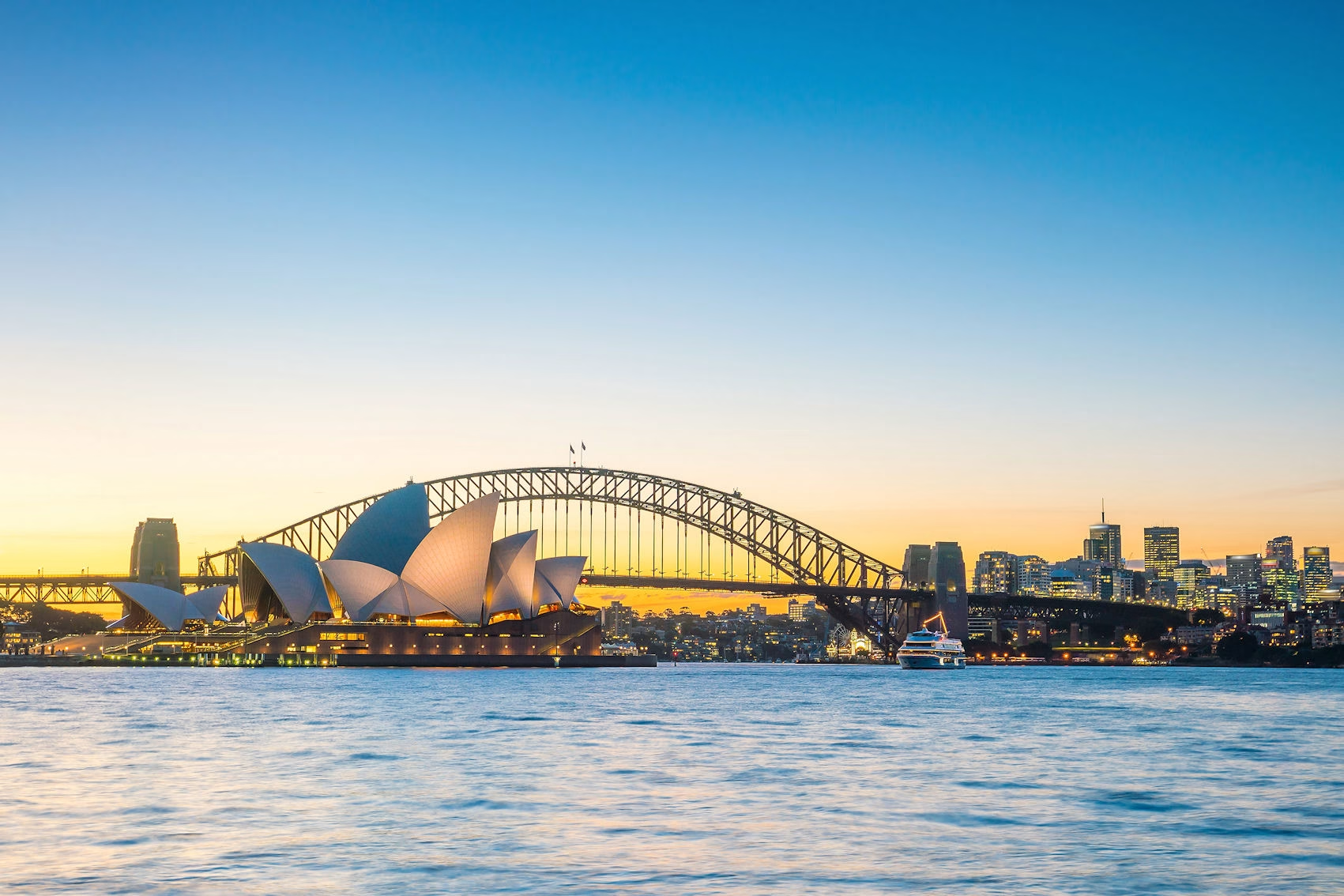
Inclusive Guide to Australia
Best for coastal horizons, wide landscapes, Indigenous storytelling and open, welcoming cities designed for ease, comfort and relaxed exploration.
◦ 4 min readBest for wide-open landscapes, coastal ease, contemporary cities and nature-led experiences designed with space, comfort and accessibility in mind.
Australia offers a rare balance of scale and simplicity. Modern infrastructure, thoughtful design and an easy-going service culture make travel feel manageable and welcoming, even across long distances. Accessibility is strongest in cities, national parks, transport hubs and major attractions, with inclusive experiences increasingly embedded into outdoor environments. With careful routing and time to pause, Australia suits travellers seeking freedom, fresh air and exploration at their own pace.
Getting There
Australia’s main international gateways – Sydney, Melbourne, Brisbane and Perth – are modern and step-free, with pre-bookable mobility support from kerb to seat, accessible restrooms and calm security processes. Long-haul travel can be demanding, so meet-and-assist services help maintain continuity during transfers and arrivals.
Domestic flights are frequent and efficient, connecting major cities with regional destinations such as Cairns, Hobart, Adelaide and Darwin. Mobility equipment can usually be carried with advance notice.
Getting Around
Australia is vast, and inclusive travel works best when distances are planned carefully.
Domestic Flights
Flying between regions is often the most comfortable option. Airports provide clear wayfinding and pre-arranged assistance, helping reduce travel fatigue over long distances.
Road Travel
Private transfers, adapted vehicles or driver-guides offer flexibility and comfort, particularly when exploring coastal routes, wine regions or national parks. Roads are well maintained, with regular rest stops and accessible facilities.
Rail Travel
- Long-distance rail journeys provide a relaxed way to see the landscape, with accessible cabins and boarding support available on selected services.
- Urban rail networks in major cities offer lifts, priority seating and clear announcements.
Ferries & Cruises
- Harbour ferries, island transfers and scenic cruises often provide ramped boarding and accessible seating areas.
- Premium operators tend to offer the most consistent accessibility.
Destination Highlights
Nature & Landscape for All Paces
Australia’s defining feature is its natural environment, much of which can be experienced without intensive physical effort:
- Drive-up viewpoints along coastal and inland scenic routes
- Boardwalks through rainforests, wetlands and desert landscapes
- Accessible lookouts in national parks and heritage sites
- Wildlife viewing from platforms, boats or guided tours
From beaches to bushland and red desert horizons, nature is often designed to be reachable.
Cities & Cultural Life
- Australia’s cities are modern, spacious and easy to navigate:
- Museums, galleries and cultural centres with step-free circulation
- Waterfront promenades and parklands ideal for relaxed strolling
- Theatre, music and arts venues with accessible seating and facilities
Urban travel feels open, calm and well supported.
Cuisine & Culinary Exploration
Food is a highlight of travel across Australia:
- Accessible waterfront restaurants and vineyard dining
- Private tastings and chef-led experiences
- Fresh produce markets designed with wide aisles and seating areas
- Dining culture is relaxed, flexible and welcoming to dietary needs.
Soft Adventure & Outdoor Experiences
Australia excels at inclusive outdoor experiences:
- Accessible beaches with boardwalks and mobility equipment hire
- Scenic drives through national parks and coastal regions
- Gentle wildlife safaris and boat-based nature tours
- Cable cars and viewing platforms in rainforest and mountain regions
Adventure can be shaped to match energy levels and comfort.
Luxury Perspective
Luxury in Australia centres on space, privacy and connection to nature. The most inclusive premium experiences often include:
- Contemporary hotels and lodges with step-free rooms and roll-in showers
- Private villas with level access and panoramic views
- Coastal and wilderness retreats designed around calm and wellbeing
- Personalised tours with driver-guides managing pace and routing
- Service is attentive yet informal, with comfort and ease placed above display.
Attitudes
Australians are known for being friendly, informal and practical. Service culture is relaxed but responsive, and staff are generally comfortable adapting pace, seating and access when needs are shared.
Australia is widely regarded as welcoming and inclusive for LGBTQ+ travellers, with strong equality protections and a visible culture of acceptance in cities and coastal communities.
The Rules
Australia has well-established accessibility standards in public buildings, transport and national attractions. Compliance is strongest in modern spaces and major tourist areas. In remote or natural environments, pathways may be partially adapted to protect the landscape.
Weather and distance can influence travel planning. Sun protection, hydration and pacing are important, especially in warm regions.
Resources & Support
Australia offers strong support networks for inclusive travel:
- Accessible transport services in major cities
- Equipment hire for mobility and personal care needs
- Hotels with accessibility coordinators
- National parks with adapted trails and visitor centres
- Specialist tour providers offering inclusive itineraries
- Advance planning helps ensure availability, especially in remote areas.
Final Tips
- Plan travel around regions rather than trying to cover the whole country in one trip.
- Use domestic flights to manage distance and conserve energy.
- Book accessible rooms, vehicles and experiences early, particularly in peak seasons.
- Allow time to rest between long journeys; Australia rewards slow exploration.