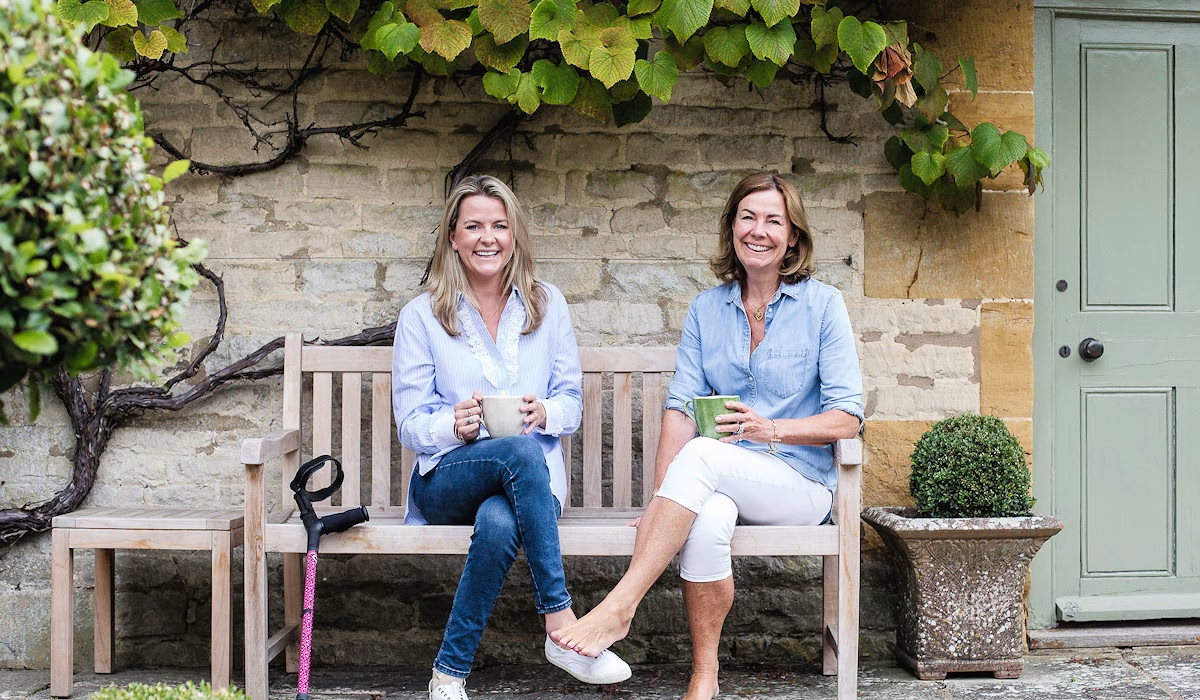
Amelia Peckham & Clare Braddell: Founders, Cool Crutches
I had lived experience - pain, stigma and visibility. Mum came from design and culture asking why mobility aids sat so far outside fashion and lifestyle. Together we questioned the rules and imagined something more human.
◦ 5 min readOrigins & Family
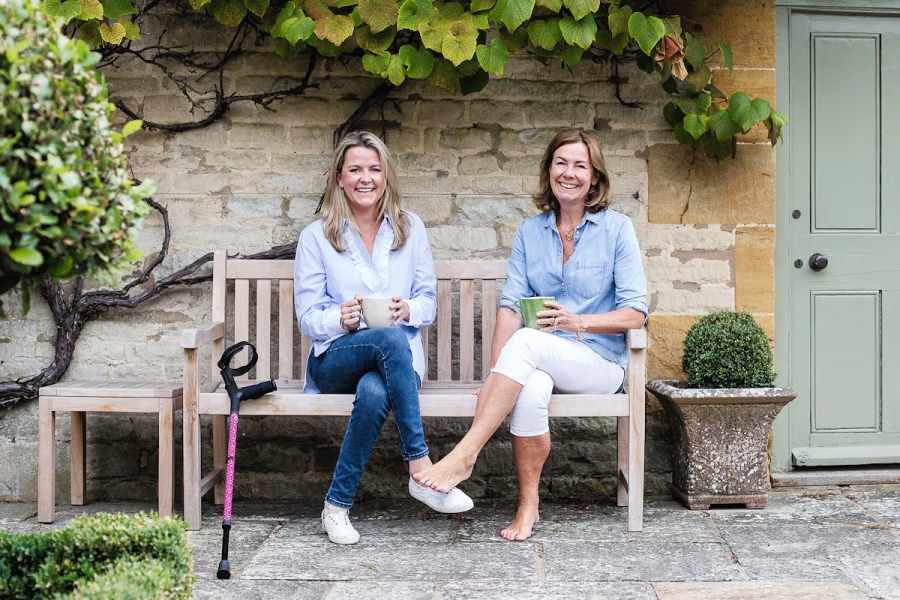
Cool Crutches began as both a personal response and a creative idea. Can you take us back to the moment when you first realised mobility aids could – and should – look different?
Clare: It was an unglamorous moment – hospital corridors, standard-issue grey equipment and the realisation that something you rely on every day can quietly erode your confidence. I needed a crutch but what I was given felt like a medical label rather than a support. I remember thinking: why does needing help mean giving up dignity or self-expression? That disconnect was the spark.
As mother and daughter how did your individual perspectives shape the early vision of the brand?
Amelia: We brought different lenses. I had lived experience – pain, stigma and visibility. Mum came from design and culture asking why mobility aids sat so far outside fashion and lifestyle. Together we questioned the rules and imagined something more human.
What did growing up (and parenting) in a design-aware household teach you about aesthetics confidence and self-expression?
Amelia: That aesthetics are not superficial. Design communicates who you are often before you speak. When you already feel visible or vulnerable that communication matters.
Design as Dignity
Cool Crutches reframes mobility aids from purely medical objects into expressions of personality and pride. Why was that distinction so important?
Amelia: Because medical design often forgets the person attached to the product. When choice is removed shame creeps in. Restoring choice restores agency.
How did you blend form function and fashion in a space dominated by clinical design?
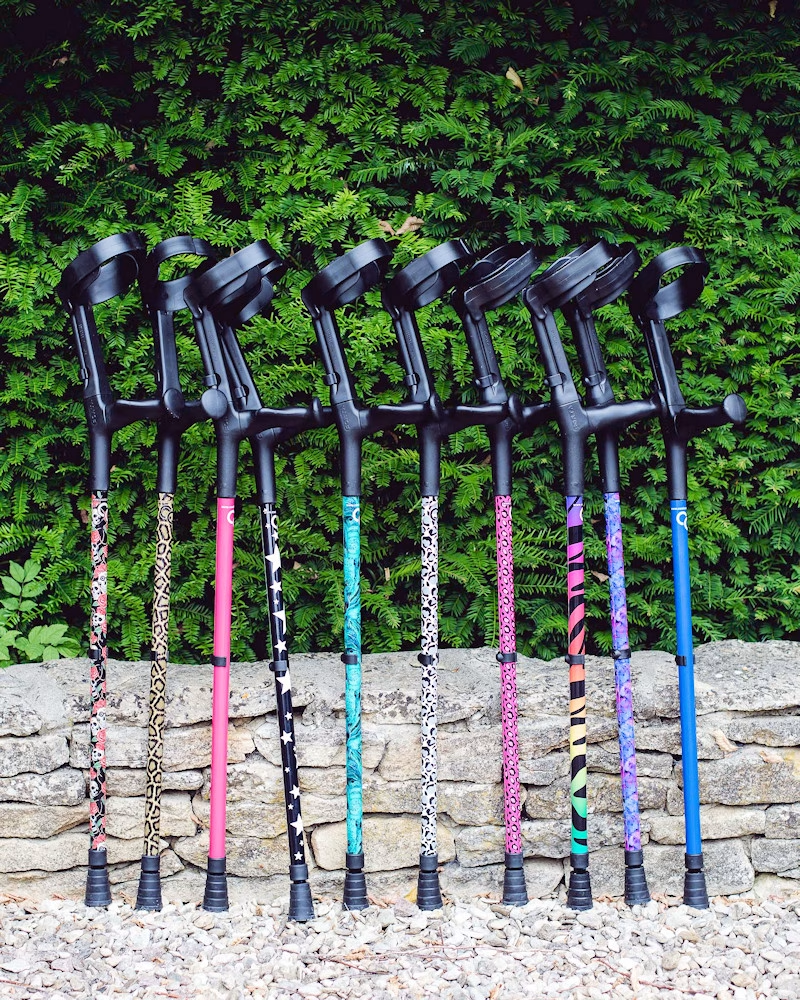
Clare: We never compromised on safety or performance but we rejected the idea that clinical had to mean characterless. We looked to fashion, interiors and art rather than hospitals and asked one question – would someone choose this if they did not need to?
What has surprised you most about emotional responses to beautifully designed mobility aids?
Amelia: The depth of feeling. People tell us they feel like themselves again. That response shows how long functionality and style combined, without compromise, has been missing from this space.
Changing Perceptions
How do you hope Cool Crutches helps shift disability narratives away from limitation?
Clare: By showing disability does not erase identity. Our products do not hide mobility needs they integrate them into self-expression. Chosen visibility can be powerful.
Have you noticed shifts in how users carry themselves?
Amelia: Yes. There is a physical change – shoulders back head up – and an emotional one. People stop apologising for existing.
What misconceptions do you most want to dismantle?
Clare: That disabled people should be grateful for whatever they are given. Design is not a luxury. It is part of equality.
Working Together
What strengths do you each bring and where do you challenge one another most?
Amelia: I bring instinct, experience and truth. Mum bring future focus and visual clarity. We challenge each other on pace – one asks why the other asks what next.
How do you navigate creative differences while protecting the relationship?
Clare: With respect and boundaries. We disagree passionately but never dismissively and we know when to stop talking shop and just be family.
What has working together taught you about each other?
Clare: How brave Amelia is.
Amelia: How uncompromising Clare is in the best possible way.
Impact & Community
What customer stories stay with you most?
Clare: Stories of firsts – first confident outing first photo shared first time someone says I love your crutch instead of I am sorry.
What cultural impact do you hope the brand has beyond products?
Amelia: To make style in disabled spaces an expectation not an exception.
How do you evolve alongside your community?
Clare: By listening constantly. Our customers shape our designs language and decisions. The brand only works because it is built with them.
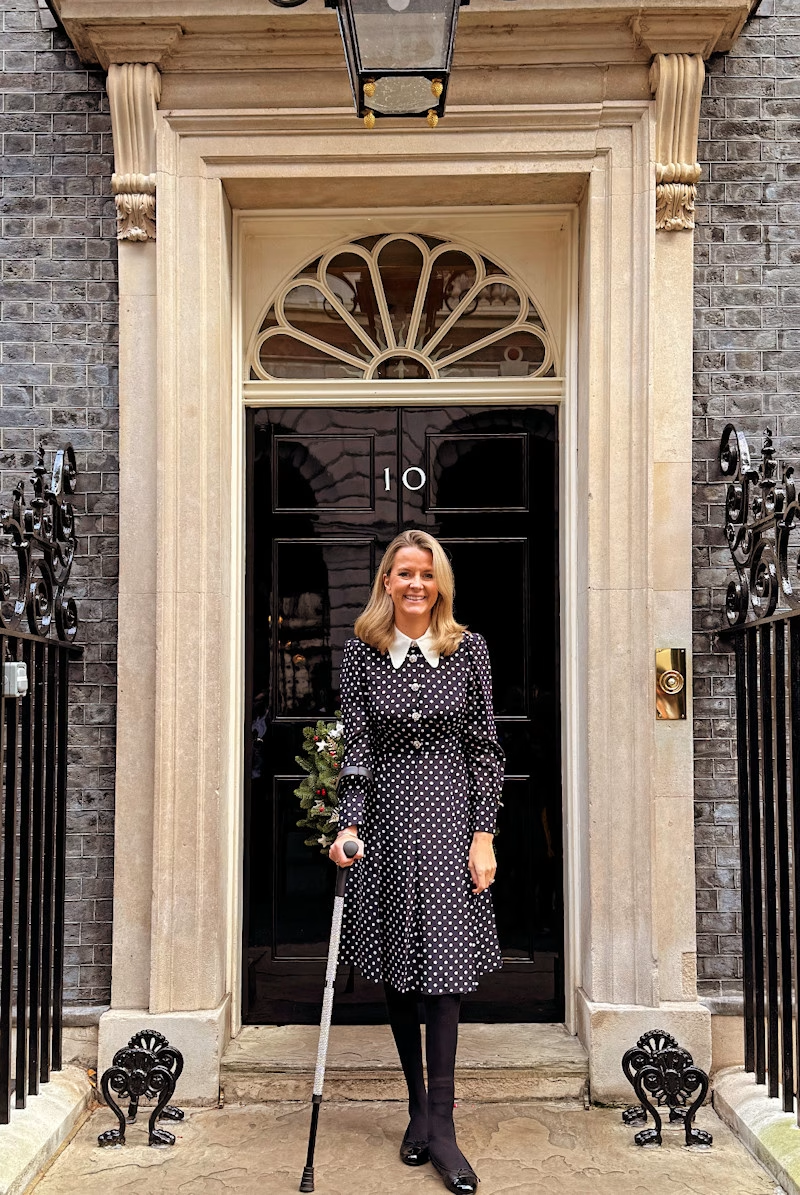
Looking Forward
How do you see the future of mobility design?
Amelia: Moving from medical to lifestyle. We intend to lead that shift.
Are there areas beyond crutches where you want to apply this philosophy?
Clare: Anywhere function meets identity.
What does success look like now?
Amelia: At the start success was survival. Now it is influence.
Reflection
What advice would you give other families building something creative together?
Clare: Protect the relationship first. A business can be fixed. Trust is harder to repair.
What makes you most proud today as individuals?
Amelia: That we did not dilute the idea.
Clare: That we made something people LOVE and come back time and time again.
Quick Fire: Clare & Amelia
Who owns the loudest crutches in the room?
Amelia.
Leopard print – timeless or dangerous?
Timeless if you commit.
Best design decisions are fuelled by?
Confidence with caffeine as backup.
Who enjoys shocking the conservative crowd?
Neither secretly.
Finish this sentence: If mobility aids had attitude they would say…
I am not here to disappear.