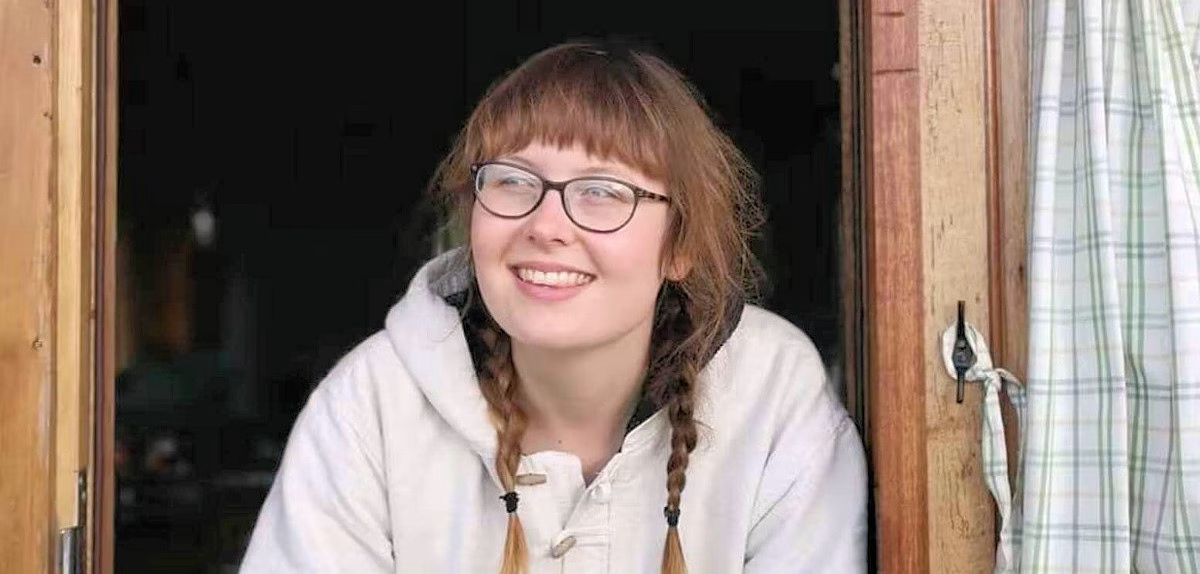
Allie Mason: Neurodivergent traveller and writer
The Perfect Match: Why Luxury Travel and Neurodivergent Guests Belong Together As a neurodivergent traveller, there are three things I really value when it comes to planning a trip: personalisation,...
◦ 4 min readThe Perfect Match: Why Luxury Travel and Neurodivergent Guests Belong Together
As a neurodivergent traveller, there are three things I really value when it comes to planning a trip: personalisation, flexibility and exceptional service.
Personalisation, because I want to be able to adapt my experience to suit my preferences and support needs. Flexibility, because I don’t know ahead of time whether I’m going to be on cloud nine or in the depths of sensory overwhelm. Exceptional service, because I need reassurance that my requests will be met with understanding, empathy and a willingness to help.
You could say those three things are the foundations upon which neuroinclusive travel is built. Here’s what’s interesting, though: they’re also precisely what defines luxury travel.
Here at TILT, we believe luxury travel and neurodivergent travellers can – and should – go hand-in-hand. We’d like to share with you what that might look like in practice, highlighting how perfectly positioned the sector already is to welcome a community representing up to 20% of the global population.
Personalisation: The Art of Truly Seeing Each Guest
From remembering a guest’s preferred pillow firmness to sourcing a specific regional delicacy on demand, your teams excel at making clients feel truly seen. This attention to detail, when translated into providing personalised support for neurodivergent travellers, can transform the latter’s experience.
For me, that might look like being able to choose the exact location of my hotel room, to ensure I’m far away from anything that could irritate my sound sensitivities. Someone else might need to request off-menu dishes at a restaurant, in order to accommodate their dietary restrictions.
In practice, this information on personal preferences is something many luxury brands are already adept at collecting and acting upon, through the likes of pre-arrival questionnaires or discreet check-in conversations. Whilst requests from neurodivergent guests might look a little different than what you’re used to, remember to see them for what they really are: natural extensions of the personalised service you already provide so well.
Flexibility: The Freedom of Autonomy
Flexibility is power – the power to change plans, to adapt itineraries, to accommodate last-minute requests – so it’s no wonder it’s so highly valued within the luxury travel industry. What might feel like a premium perk for neurotypical clients, however, is actually fundamental in supporting those of us who are neurodivergent.
I thrive on structure and having a plan in place. Nobody has ever described me as ‘spontaneous’, and certainly never would after seeing me prepare for a holiday. Many of my fellow neurodivergent travellers fall into the same camp; yet, we also share the same paradox. Any trip must accommodate those times when we need to take an impromptu break because our energy levels have dipped, or when the environment we’re in becomes overwhelming.
In practice, this means offering genuine choice at every turn, allowing neurodivergent clients to opt-in or -out as their support needs fluctuate throughout their time with you. Whether it’s providing a private dining option for when the hotel restaurant is too crowded, or tailoring a walking tour to include more rest stops along the route, this kind of flexibility is more than just a nice-to-have. It determines whether a trip succeeds or fails.
Exceptional Service: The Quiet Power of Understanding
Your staff are trained to read a room, to anticipate clients’ needs and to respond with grace. Those qualities of observation, intuition and discretion are all essential ingredients in creating an environment where neurodivergent guests feel welcome.
Add depth to those skills by helping your teams better understand the behaviours and consequent needs associated with neurodiversity. I often avoid eye contact with others, not because I’m being rude, but because I’m autistic and find eye contact incredibly distracting when I’m trying to communicate. I’m also likely to ask very specific and detailed questions, as I need that clarity to feel secure, so knowing a staff member is equipped to anticipate those questions is reassuring.
In practice, making the effort to provide your teams with proper training is what will allow them to deliver exceptional service to neurodivergent guests. From a concierge providing sensory profiles of recommended restaurants, to a spa sharing step-by-step session breakdowns in advance of treatments, neuroinclusivity is merely natural evolution – not a revolution – within the luxury landscape.
From the parallels drawn throughout this article, there’s one thing I hope has become abundantly clear. The question isn’t whether the luxury sector can support neurodivergent travellers. It’s whether you’ll seize this opportunity to lead, setting a new standard that elevates the entire industry.